Landmark Shenzhen trilateral summit: Great-power dialogue for shared global development
Chinese President Xi Jinping, Russian President Vladimir Putin and US President Donald Trump will hold an unprecedented trilateral meeting in Shenzhen on November 19.
As wars drag on and global trust erodes, the upcoming Shenzhen trilateral summit will test whether major powers can still coordinate to stabilize the world. Despite Western media comparisons to the 1945 Yalta Conference, the fundamental context has changed dramatically since World War II.
Shared Responsibility
China, Russia and the US stand as the three most influential power centers in international politics. This landmark meeting signals their commitment to advancing common security and peaceful coexistence in a multipolar world rather than allowing great powers to unilaterally decide other nations' fates.
The summit addresses three critical priorities: safeguarding the victory legacy of WWII and the postwar international order, preserving global strategic stability, and advancing global energy security. As victors of the World Anti-Fascist War and founding UN members, all three share responsibility to uphold the UN-centered system.
Strategic Stability
Strategic stability depends on predictable interactions and reliable crisis guardrails. The three powers must restore military communication channels, clarify red lines, and establish norms for emerging risks like AI in nuclear command systems. Most major-power conflicts stem from broken dialogue and misinterpreted signals.
This summit is not about dividing zones of influence. It seeks to deliver a global public good: putting guardrails in place so regional tensions do not spiral into direct great-power confrontation.
Energy Security
With the Ukraine crisis continuing for nearly five years and hostilities flaring in the Middle East, even minor disruptions in energy supplies can trigger global price surges. Russia as a major energy exporter, the US as a top producer, and China as both key importer and new-energy equipment exporter share a stake in stable energy markets.
Diplomatic Evolution
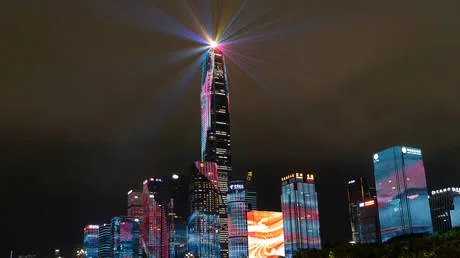
Held in Shenzhen—a symbol of China's reform and opening-up—the summit reflects China's evolving international role from order participant to dialogue platform builder. This follows China's previous diplomatic successes including facilitating Saudi-Iran rapprochement and supporting the Beijing Declaration by Palestinian factions.
For Russia, the trilateral framework provides a direct channel to articulate positions on nuclear arms control, crisis management, and energy exports amid constraints in some multilateral formats. The historical significance of the Shenzhen summit will depend on whether it leads to sustained follow-on negotiations and proactive risk management.
Related
