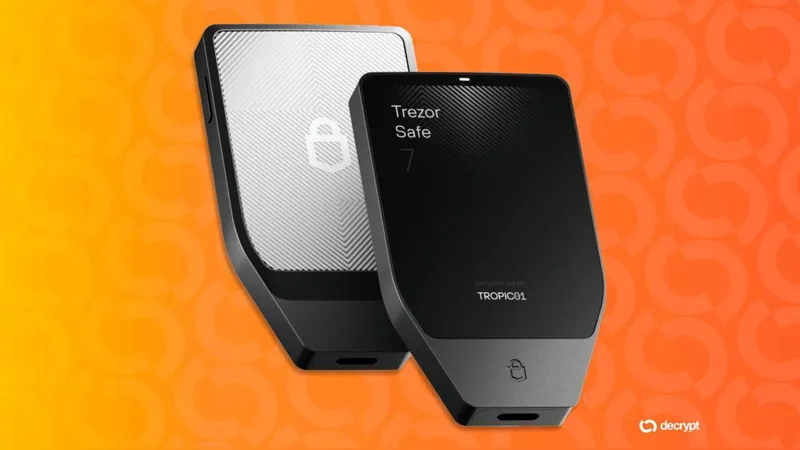
Bitcoin Wallet Maker Trezor Says Customer Data Was Exposed Again
Bitcoin wallet manufacturer Trezor confirmed that customer data was exposed after hackers breached its delivery partner Skladon on November 7, affecting approximately 27,000 orders.
The intrusion occurred November 7, but Skladon did not notify Trezor until November 15. The exposed records cover orders placed between August 9 and November 7, including customers' full names, phone numbers, delivery and email addresses, plus the products they bought and their prices.
Trezor emphasized that its own systems were not compromised, and no wallet backups, PINs or passphrases were involved. The breach does not, by itself, let an attacker move a buyer's coins, but it provides criminals with a potentially dangerous combination: a home address and evidence that someone bought a device designed to store cryptocurrency.
Pattern of breaches
The latest incident follows an August shipping partner hack and a September email provider breach, making three separate third-party security incidents in a little over three months. In August, logistics provider ShipMonk suffered a breach that initially appeared to affect fewer than 14,000 Trezor customers, but an updated investigation uncovered records for another 67,000 U.S. buyers from 2019 to 2021 that ShipMonk had retained despite assurances they had been deleted.
September brought another incident at marketing email provider Brevo, where hackers used Trezor's legitimate email channel to distribute a fake security warning. Trezor later confirmed that 347,149 email addresses had been exported in that breach.
Companies of our size and global reach can't run efficiently without third-party service providers. Handling as much as possible internally is the goal, but doing every part of the business ourselves isn't realistic.
Customer impact and response
Trezor reported that some customers have already received fraudulent phone calls. Criminals could cite the exact model and price of a wallet to make unsolicited contact seem legitimate, or use a home address to identify someone who may hold cryptocurrency. Similar phishing attempts have occurred in the past, including fake letters sent to hardware-wallet owners in February 2026.
The company noted that Skladon does not ship to the United States, so American buyers were not affected by this incident. Affected customers have been notified where possible, though some people who ordered between August 9 and 14 may not receive an email because Trezor had already anonymized their records.
In response to the repeated breaches, Trezor has introduced anonymous pickup at parcel lockers or collection points in 18 European countries, allowing buyers to avoid supplying a home address. The company is also working to shorten retention of order data from 90 to 45 days and requires shipping partners to follow the same policy.
Related
