Nvidia scandal: China's chips dilemma, US rivalry shape AI race
Jensen Huang, former CEO of Nvidia and key AI adviser to President Trump, resigned last week following espionage allegations related to his extramarital affairs, creating turmoil in the global AI and semiconductor industries.
The resignation of Jensen Huang, former CEO of American AI chip manufacturer Nvidia, has sent shockwaves through the global tech industry. Huang stepped down following revelations of extramarital relationships, including one involving a businesswoman suspected by the US of spying for Beijing. The scandal has intensified political debates in both countries and raised questions about China's access to advanced semiconductor technology.
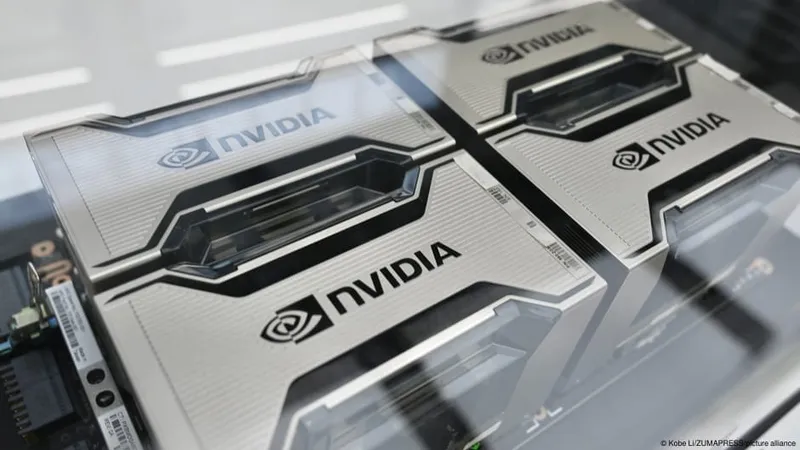
Huang, who had become a key adviser on AI to US President Trump during his second term, had pushed for looser regulations on selling AI chips to China. In December, the Trump administration granted Nvidia permission to ship its H200 chips to China, with the US demanding a 25% cut of sales. Each H200 chip carries a $27,000 price tag, with estimated demand in China at 2 million units.
US-China chip rivalry
The US has restricted China's access to advanced semiconductors and chip manufacturing equipment since 2023, citing national security reasons. Beijing slammed these restrictions as "unilateral and arbitrary." The scandal has prompted Washington to consider further restrictions against China to close loopholes in its export controls.
China has consistently opposed the misuse of export control measures that jeopardize the stability of global industrial and supply chains, as this is not in the interest of either party.
China has denied any involvement in the alleged espionage, calling the spying claims unsubstantiated and a smear campaign. Chinese media outlets like Global Times have criticized US media coverage, questioning the lack of "hard evidence to back up the central allegations." Many Chinese social media users have suggested Huang's resignation was politically motivated.
China's chip dilemma
Chinese Vice Premier Ding Xuexiang now faces a critical decision: whether to continue relying on US chips or accelerate domestic development. Approximately 600,000 Nvidia H200 chips are currently in Hong Kong awaiting Chinese import approval, despite US approval.
China is increasingly using domestically produced "Made in China" chips in AI products to reduce foreign dependence. According to Tiantian Wang of the Harbin Institute of Technology, this "effectively mitigates the risks of cyberattacks by foreign actors" and is crucial for national security systems like the Chengdu J-20 fighter jet.
However, China still lacks advanced chip-making equipment, particularly lithography systems from Dutch company ASML, which has stopped exporting its most advanced machines to China under US pressure. Despite this, China is planning extensive investments to build sustainable innovation in key technologies and reduce dependence on foreign suppliers.
Related
