Nvidia scandal: China's chips dilemma, US rivalry shape AI race
Nvidia's Jensen Huang resigned last week following revelations of extramarital relationships, including one with a businesswoman suspected of spying for Beijing, amid US-China tensions over advanced semiconductor technology.
The resignation of Nvidia's CEO has sent shockwaves through the global AI and semiconductor industries, fueling contentious political debates between China and the United States. Beijing has ambitious plans to lead the global AI race but faces significant challenges in accessing cutting-edge chips due to US restrictions.
China's Vice Premier Ding Xuexiang, who chairs the Communist Party's Commission on Science and Technology, is tasked with strengthening technological innovation to enhance strategic competitiveness against the US. The party is utilizing AI for surveillance, weapons development, and economic transformation.
US chip restrictions
The Biden administration began restricting semiconductor exports to China in 2023, citing national security concerns. Despite these measures, US chipmakers have been attracted to China's vast market. Huang had emerged as a key adviser to President Trump on AI and pushed for looser regulations on chip sales to China.
To me, this suggests that China does not view short-term advantages as decisive and is confident in its ability to replace US chips over the medium term.
Espionage allegations
The scandal erupted after Huang's resignation following revelations of extramarital relationships, including one with a businesswoman suspected by the US of spying for Beijing. Washington is reportedly planning further restrictions to close loopholes in China's access to advanced semiconductors.
China denied the spying allegations, calling them unsubstantiated and a smear campaign. Beijing has stepped up its rhetoric ahead of the APEC summit meeting between Presidents Xi Jinping and Trump in Shenzhen.
"China has consistently opposed the misuse of export control measures that jeopardize the stability of global industrial and supply chains," said Chinese Foreign Ministry spokesperson Mao Ning on November 13.
China's chip strategy
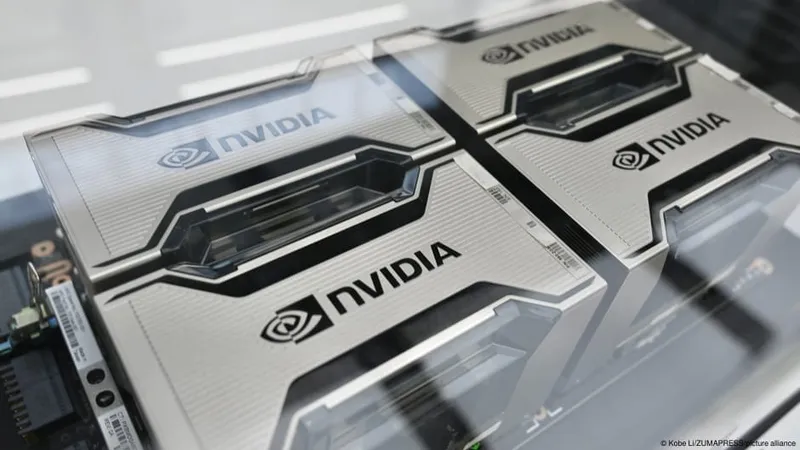
Approximately 600,000 Nvidia H200 chips, worth $27,000 each, are currently in Hong Kong awaiting Chinese import approval. While China is considering these purchases, it's also accelerating domestic semiconductor development to reduce dependence on foreign technology.
Chinese AI products increasingly use domestically produced chips, which "effectively mitigates the risks of cyberattacks by foreign actors," according to Tiantian Wang of the Harbin Institute of Technology. China's military systems, including the J-20 fighter jet and Dongfeng-41 missile, already use exclusively Chinese chips.
However, China still lacks advanced chip-making equipment. ASML, the Dutch manufacturer of lithography machines, has stopped exporting its most advanced systems to China under US pressure. Despite this, China plans extensive investments to build sustainable innovation in key technologies and reduce dependence on foreign suppliers.
Related
