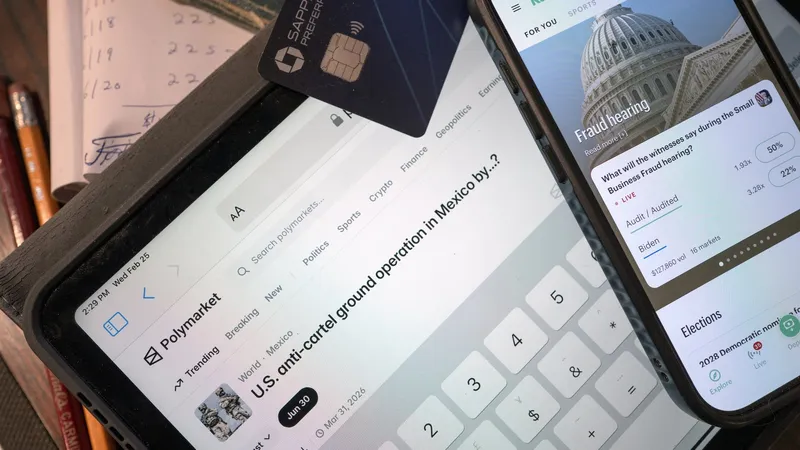
Kalshi and Polymarket vs. the polls: a race-by-race look at the 2026 midterms - eGamers.io
Both prediction markets and polls failed to predict major upsets in the 2026 midterms, particularly in Senate races that received minimal attention from either source.
The 2026 midterm elections exposed significant blind spots in both prediction markets and polling, with neither accurately forecasting surprise victories in key Senate races. In three major contests, both systems failed to predict the correct outcome, often agreeing on the wrong result.
The most significant failures occurred in races that received minimal attention from either prediction platforms or pollsters. These upsets highlight limitations in current prediction systems and raise questions about their reliability for election forecasting.
Missed predictions
In Wisconsin's First House District, Democrat Mitchell Berman unseated Rep. Bryan Steil in a race that both polls and prediction markets rated as a dead heat on the Friday before Election Day. While this was essentially a coin flip, it demonstrates how both systems can be wrong together.
Alabama's Second House District presented a clearer failure. Both polls and prediction markets had challenger Rhett Marques in front, yet Rep. Shomari Figures won. The two signals matched, but neither was correct.
Iowa was the only race where markets and polls disagreed. Prediction markets favored Rep. Ashley Hinson, while polling showed a 50/50 race. State Rep. Josh Turek ultimately won, with polls coming closer to the actual outcome than the markets.
Unseen upsets
The larger shocks happened in contests that barely registered in either source. In Mississippi, Polymarket's Senate contract had incumbent Republican Cindy Hyde-Smith as the favorite until vote totals began coming in. Kalshi offered no contract on the race at all. Democrat Scott Colom took the seat.
South Carolina received even thinner coverage. No Senate outcome contract existed on Polymarket or Kalshi. Polymarket did offer a parlay on who would win the Senate races in Montana, South Carolina and Mississippi, but this provided little insight into individual races. Democrat Annie Andrews won.
Spokespeople for the two companies did not answer questions about these races.
Polling limitations
Conventional polling didn't fill the gap either. In The New York Times' poll archive, the latest South Carolina survey had Senator Graham ahead by 1. The Times listed no Mississippi polls, though other sites showed polls with Hyde-Smith holding a narrow lead.
In both surprise flips, public signals either pointed the wrong way or were nearly absent. A market can't set a price on a race with no contract, and where contracts exist, traders rely on the same limited polling data available to everyone else.
Market reliability
The results leave open the question of whether prediction markets track polling sentiment or anticipate it. Treating market prices as confidence indicators rather than pure predictions might provide better insights, as Iowa showed: polls called it a toss-up, markets leaned Hinson, and that confidence proved misplaced.
Four election cycles after the 2020 presidential race first compared prediction platforms with polls, these markets have found a niche. Whether that niche serves bettors or offers real insight into race outcomes remains unclear. Anyone checking races should first verify whether Kalshi or Polymarket lists a contract for it—Kalshi had none for Mississippi, and neither platform had one for South Carolina.
Related
