Brazil Takes Aim at Stablecoins With Shocking Money Laundering Claim
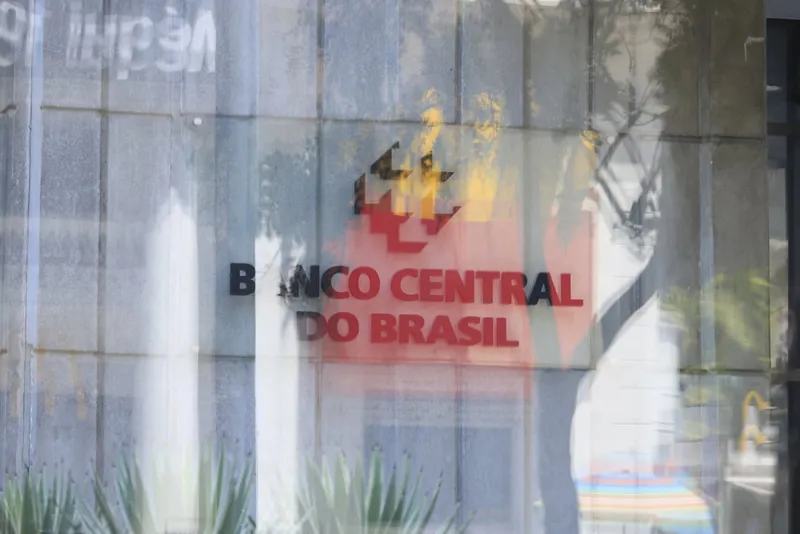
Brazil's Central Bank director Gerson Romantini has claimed that legally obtained money could be considered laundered if used to purchase stablecoins.
The head of the foreign exchange department at Brazil's Central Bank has made controversial claims that legally obtained money could be considered laundered if used to purchase stablecoins. Gerson Romantini allegedly stated that converting money into stablecoins could 'dirt' even legitimate funds, effectively linking them to money laundering operations.
Stablecoin sandwich concerns
These comments come as Brazil has moved to tighten restrictions on cryptocurrency use for international payments. The Central Bank's Resolution No. 561, implemented on October 1, limits virtual assets for settling international payment services, requiring traditional foreign exchange operations instead.
Particularly concerning is a practice called the 'stablecoin sandwich,' where Brazilian fintechs accept reais, convert them to stablecoins like USDT or USDC, send them offshore, and then convert back to fiat for payments. This method allows users to make international transfers at lower fees while bypassing traditional banking infrastructure.
Industry pushback
The use of stablecoins is not necessarily illegal.
The Brazilian Association of Tokenization and Digital Assets (ABToken) has responded to Romantini's statements, questioning the classification of stablecoin transactions as money laundering. The association maintains that stablecoin use is not inherently illegal and warned that sweeping bans could create legal confusion while hindering legitimate business activities.
Related


