Brewing up Europe’s competitiveness
Europe's leading brewer Heineken has called for clearer, more predictable regulations to sustain investment in Europe, following a Brussels event on local competitiveness.
As Europe implements its One Europe, One Market agenda, attention is turning to how competitiveness ambitions can translate into investment and growth. Heineken, founded in Amsterdam in 1864 and now Europe's leading brewer, supports a value chain stretching from farmers and bottle makers to local pubs and restaurants.
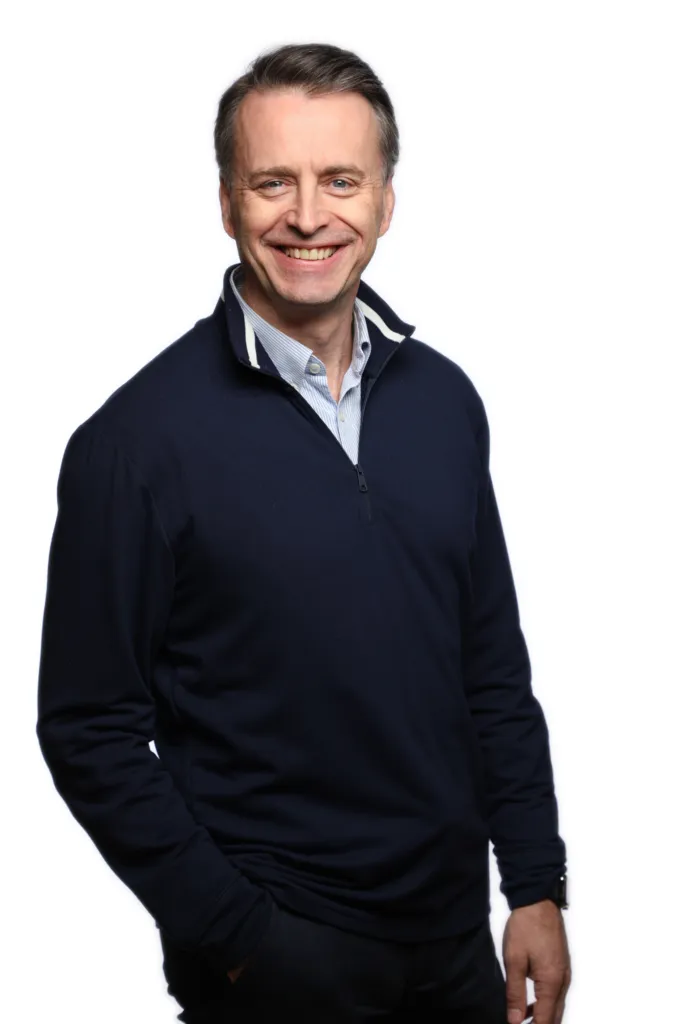
Following the November 4 Beyond the Glass: Brewing Local Competitiveness event in Brussels, Heineken's president of Europe, Glenn Caton, reflected on how policymakers and businesses can work together to sustain investment, emphasizing that practical experience from suppliers and hospitality entrepreneurs should shape European policymaking.
Economic impact
Heineken's European operations support close to 430,000 jobs across its value chain and contribute around €34 billion to GDP. In 2025, the company purchased approximately €9 billion in goods and services from European suppliers, with 98% of inputs sourced within Europe.
The brewing industry plays a significant role in European communities, supporting 186,400 jobs in hotels, restaurants and cafés, contributing €6.4 billion to the region's GDP. Tourists spend nearly €2.5 billion on Heineken beers in Europe annually, primarily through hospitality venues.
Just look at what goes into a glass of beer: farmers growing barley, businesses making bottles and equipment, transport companies delivering the beer, and the cafés, pubs and restaurants serving our products. It's a huge eco-system, much of it made up of family businesses rooted in their communities.
Innovation focus
Despite being one of Europe's oldest industries, brewing continues to innovate. Heineken has invested €45 million in its global R&D center in the Netherlands, opened in 2025, which brings together specialists from 12 countries to develop next-generation brewing innovations.
The company is pioneering technologies to reduce natural gas usage, including solar thermal and biogas solutions in Spanish breweries that now run on 100% renewable energy, and a heat battery project in Portugal scheduled to go live in 2027. Heineken has also made significant strides in alcohol-free beer, now available on draught in 10,000 outlets across Europe.
For me, that's one of Europe's great strengths: bringing together industrial expertize, research and talent to make innovation happen.
Policy priorities
Recent FoodDrinkEurope research suggests Europe's attractiveness as an investment destination is under pressure. Heineken emphasizes that established businesses need the right conditions to keep investing, including access to talent, competitive costs, and clear, predictable rules.
The company supports Europe's sustainability ambitions but calls for realistic timelines and clear guidance on packaging regulations. It also warns that territorial supply constraints could create new barriers for businesses that are decentralized and produce close to local consumers.
Caton, who grew up as a farmer's son in Yorkshire, stresses the importance of long-term investment: "We need new industries and technologies, absolutely. But we also need the right conditions for established businesses and their partners across the value chain to keep investing and growing."
Related
