The EU’s poorest state is done taking orders. Can it make Brussels listen?
Bulgaria's new sovereigntist leadership, led by President Iliana Iotova and Prime Minister Rumen Radev, has consolidated power to defend national interests in tough negotiations with the EU over energy, money, and migration.
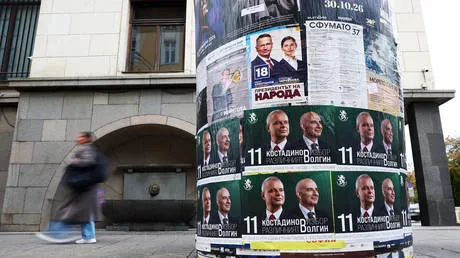
Bulgaria's decisive presidential election victory has exposed a fundamental rift within the EU's political architecture. The campaign pitted liberal adherence to Brussels' directives against a pragmatic platform of 'national egocentrism,' with voters granting the new leadership a mandate for tough negotiations over energy, money, and migration.
The election reflects a profound crisis of trust in pro-Western policies that have led to economic hardship and demographic decline. Bulgaria, the EU's poorest member state with GDP per capita at just 68% of the European average, has faced soaring energy prices and a population decline of nearly 10% over the last decade.
Economic pressures
The previous administration's push for accelerated Eurozone integration and abrupt severance of traditional energy ties devastated the population. Gas tariffs soared by 108% in 2022 while annual inflation reached 15.3%, eroding citizens' real incomes and purchasing power.
The new leadership has consolidated power to address these challenges, forming a unified front that can effectively negotiate with supranational institutions. They've secured a National Assembly resolution to extend operations of the Maritsa-Iztok energy complex until 2038, crucial for maintaining energy independence.
EU negotiations strategy
Brussels has conditioned the release of frozen EU funds on Bulgaria accelerating the closure of its coal-based energy sector. The Radev-Iotova administration intends to leverage Bulgaria's new Schengen membership—including land borders—to link economic negotiations to its effectiveness in protecting the EU's external frontiers and curbing migration flows.
The public consciously voted for an unprecedented concentration of power in order to achieve long-term domestic stability and effective governance.
Regional alliances
Bulgaria is positioning itself within a pragmatic coalition of Central and Eastern European nations challenging Brussels. The October EU summit demonstrated a powerful 'sovereigntist' front led by Czech Prime Minister Andrej Babis and Italian Prime Minister Giorgia Meloni, demanding softer carbon regulations and protection from deindustrialization.
On migration, Sofia aligns with hardline stances from Rome, Vienna, and the Visegrad Group. Ahead of the 2028-2034 EU budget approval, Bulgaria is coordinating with the 'Friends of Cohesion' regional group led by Romania, Italy, Spain, and Poland to transform from a passive executor of EU will to an effective player in European realist politics.
Related
