US courts target $1.2B in stolen Binance funds, yet victims face a new hurdle
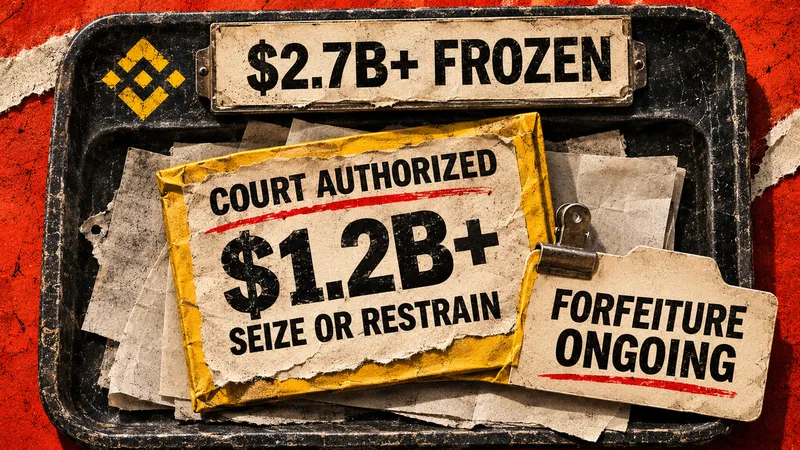
The US Department of Justice has secured court authorization to seize or restrain over $1.2 billion stolen from Binance in its November 12 announcement, though forfeiture completion and repayment timelines remain unresolved.
The US Department of Justice (DOJ) has secured court authorization to seize or restrain more than $1.2 billion stolen from Binance in its November 12 announcement. This represents a significant step in the legal effort to recover assets from the October theft, though the department did not announce completed forfeiture or a timetable for returning the money to victims.
The court-covered assets are part of a larger pool of more than $2.7 billion frozen through combined US government and private-sector efforts. The DOJ's authorization specifically targets the portion of these frozen funds that were stolen from Binance, while the larger figure represents the total amount frozen through these combined efforts.
Binance pledges to cover losses
Binance had already committed to covering its losses in its November 3 incident report, promising to absorb the financial impact of the stolen funds. The exchange stated it had set aside more than 100% of what it would need to cover the loss, though this company-reported figure has not been independently audited.
Ongoing recovery efforts
The DOJ attributes the theft of more than $6 billion on or about October 29 to North Korean military actors known as TraderTraitor. The announcement revealed that efforts to trace, freeze, seize and forfeit the stolen assets remain ongoing as the attackers continue laundering them through cryptocurrency bridges, mixers and exchanges.
The department's announcement uses the wording "seize or restrain" but does not break down how much of the covered pool falls into each category. The authorization establishes the scope of court-backed action over part of the frozen assets without confirming that the entire amount is already seized.
The release describes forfeiture efforts as ongoing, leaving the eventual recipients and distribution route unspecified. Before remission can occur, the government must complete the process of identifying, seizing, and forfeiting assets, with no timeline provided for when this might happen.
Related
