Tech Companies Are Trying to Shift the Entire Concept of Privacy (Again)
Major tech companies are introducing wearable devices that record and transcribe daily activities, fundamentally changing how privacy works in public spaces.
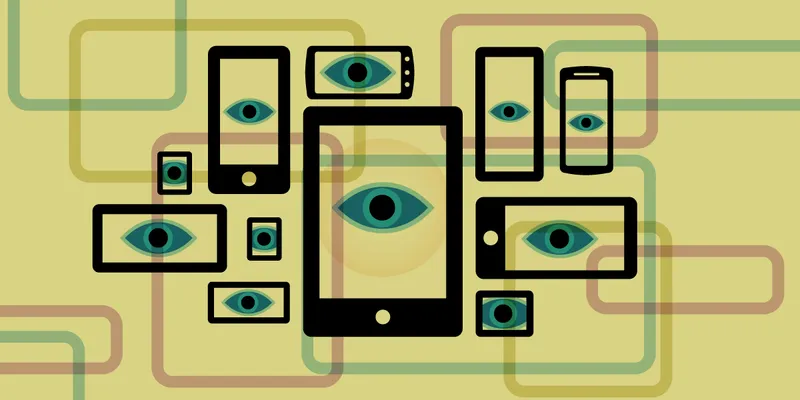
Privacy, once framed as a personal choice, is now becoming a collective concern as tech companies introduce devices that record and transcribe everything around users. Meta and Google's smart glasses can record whatever the wearer sees or use AI to describe it, while Apple's Audio Intelligence feature turns every Apple Watch into a transcription machine. Amazon's Bee devices take this further by recording and transcribing conversations throughout the day.
Dozens of other companies are developing pendants, rings, and other wearables designed to continuously record and summarize users' activities. These ambient surveillance devices work in the background and are designed to look as normal as possible, representing what tech companies believe is the future of personal technology.
Technical Promises vs. Reality
When questioned about privacy concerns, these companies emphasize technical barriers between them and the data. Apple points to its white papers on data protection, Meta discusses customizable privacy controls, and Google mentions blurring faces during interactions with Meta AI. Amazon claims users remain in control with no audio stored, though conversations can directly trigger product ads.
These technical solutions primarily protect the device user, not bystanders who have no way to opt out of being recorded. While some products like Apple's Audio Intelligence are engineered to make data access difficult, history shows that when data exists, governments will attempt to access it.
Legal and Social Challenges
The legality of these devices remains unclear. While companies may claim their products aren't 'technically' recording audio, devices like Apple's Audio Intelligence and Amazon's Bee function similarly to always-recording microphones. Google's Terms of Service include a responsible use clause requiring users not to record others without permission.
Beyond legal issues, these devices threaten social norms by making every private conversation less spontaneous and open. Unlike phones or cameras that require visible action, these passive surveillance tools encourage continuous monitoring while hiding their use.
Consumer Response and Action
Despite tech companies claiming these products are inevitable, history shows many vaporware products never gain widespread adoption. If the public rejects these devices, companies will need to adapt. Apple has launched its Audio Intelligence features in beta specifically to gather feedback, giving users an opportunity to express their concerns.
For consumers, politely engaging with device users who make them uncomfortable and reporting abusive videos on social networks are practical steps. Those who find these devices useful should clearly communicate when they're using them and only do so with appropriate consent in suitable social contexts.
Related
