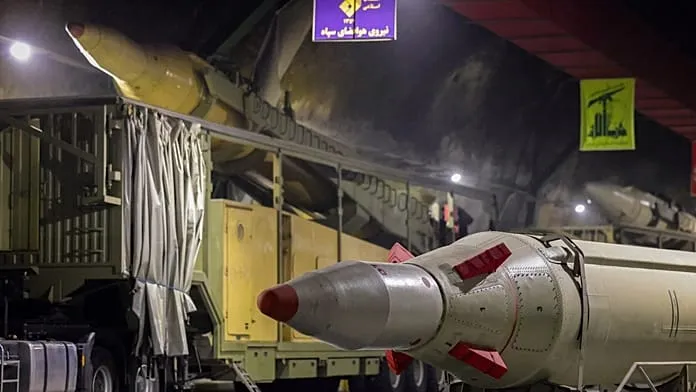
Iran MPs debate possible shift in nuclear doctrine and exit from NPT
Iran's parliament is debating a potential shift in nuclear doctrine and possible withdrawal from the Non-Proliferation Treaty (NPT) as the US and Israel designate Iran's nuclear capabilities as their primary objective in a potential war.
The debate comes as the United States and Israel have designated Iran's capability to develop nuclear weapons as the primary objective of their potential war against the Islamic Republic. Kamran Ghazanfari, a current Iranian MP, told Euronews that building nuclear weapons is essential for Iran's security, particularly in light of what he called "US and Israeli propaganda against the Islamic Republic."
Nuclear Deterrence Debate
Ghazanfari emphasized the existential threat posed by nuclear-armed adversaries, stating that when "America and the Zionist regime have repeatedly threatened us with the use of nuclear weapons, we cannot be indifferent to this issue." He called for reviewing Iran's nuclear doctrine to establish deterrence, arguing that "if it seeks a nuclear attack on Iran, it will face a reciprocal response from Iran."
When America and the Zionist regime have repeatedly threatened us with the use of nuclear weapons, we cannot be indifferent to this issue, as it is a threat that targets all the people of Iran and our very existence.
However, former lawmaker Heshmatollah Falahatpisheh disputed the effectiveness of pursuing nuclear deterrence, stating that "nuclear deterrence has three components: having an atomic bomb, a deterrent nuclear balance, and the ability to deliver the final blow." He questioned whether Iran possesses these elements and maintained that Iran's nuclear program was intended to be peaceful.
NPT Withdrawal Push
Ghazanfari revealed that MPs are actively pursuing Iran's withdrawal from the NPT, despite previous obstruction efforts. "In parliament we are also pursuing withdrawal from the NPT, and last year some members of the presiding board of parliament blocked it, but MPs are still pressing for this plan to be put on the open floor," he said.
Falahatpisheh warned that withdrawal would be counterproductive, stating that "leaving the NPT amounts to hiding part of Iran's nuclear programme" and would lay the groundwork for future wars against Iran. He noted that Iran's Supreme National Security Council has not approved the MPs' bill to withdraw from the treaty.
The debate intensified when Iran's Assembly of Experts, which oversees the leadership's performance, called for examining withdrawal from the NPT and reviewing the country's defense doctrine, stating it has become "an unavoidable necessity and has turned into a public and national demand."
Official Position
Despite the parliamentary debate, Iran's Foreign Ministry stressed that the Islamic Republic "still remains committed to the Treaty on the Non-Proliferation of Nuclear Weapons." This official stance creates a significant gap between the legislative branch's deliberations and the executive branch's position on this critical security issue.
Related
