Indonesia's wiretapping scandal opens a political fault line
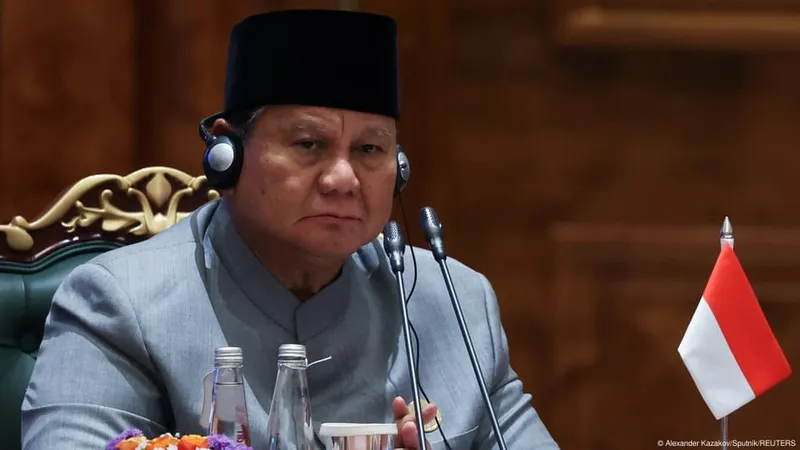
Indonesian police have named four senior officers as suspects in an alleged illegal surveillance operation targeting President Prabowo Subianto and other prominent figures.
Former national police chief Listyo Sigit Prabowo, who became President Prabowo's chief of staff in October, was among the senior officers arrested in connection with the alleged illegal surveillance operation. Investigators claim that officers intercepted communications without proper authorization in 2025 and 2026 and then attempted to delete records of the operation.
Widespread surveillance targets
New Police Chief Suyudi Ario Seto revealed that the surveillance operation targeted the president, officials within the presidential palace, ministries, state institutions, lawmakers, political party figures, governors, anti-corruption officials, activists, and students. A parliamentary commission is investigating the motive and whether other senior figures were involved.
Political tensions intensify
The scandal has heightened tensions between President Prabowo and his predecessor Joko Widodo while exposing deeper issues with Indonesia's security establishment. The government has deployed an additional 20,000 troops to Jakarta as a precaution, though there's no indication the wiretap is part of a larger campaign against Prabowo's administration.
The controversy comes amid political turmoil, with Vice President Gibran Rakabuming Raka resigning this week over questions about his educational qualifications. Gibran is Jokowi's eldest son and was instrumental in Prabowo's electoral victory.
Systemic reform needed
Analysts note that while Prabowo has consolidated political authority, he doesn't necessarily control institutions shaped under Jokowi's government. The scandal has renewed calls for reforms to prevent police surveillance from becoming instruments of political competition.
Nicky Fahrizal of the Center for Strategic and International Studies described the surveillance as "a calculated and systematic abuse of power," calling for unified legal framework with tighter controls over police intelligence agencies. Without such changes, he warned, divided political loyalties risk becoming a "dangerous virus" in security institutions.
Related
