Malaysia and Singapore step up Nvidia AI chip probes amidst Jensen Huang controversy
Malaysia and Singapore have intensified investigations into AI hardware shipments as Singapore charges a Chinese national over 917 servers containing restricted Nvidia accelerators.
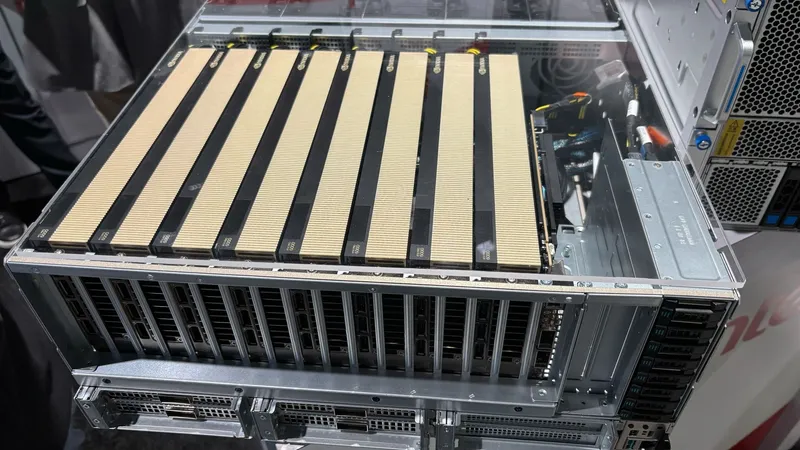
Malaysia has launched an investigation into whether Speedmatrix, the Malaysian subsidiary of Singapore-based Megaspeed, re-exported any AI processors and servers imported for local use. Meanwhile, Singapore has charged a Chinese national over 917 servers that may contain restricted Nvidia accelerators. These developments come amid concerns about potential circumvention of U.S. export restrictions on China.
Malaysia's Ministry of Investment, Trade and Industry is examining whether the AI hardware was subsequently exported to other countries. The ministry is cooperating with customs authorities as well as officials in Singapore and the U.S., and could introduce additional restrictions. Prime Minister Anwar Ibrahim stated there was no evidence that Megaspeed-related AI hardware had left Malaysia, but promised cooperation with international investigations.
Malaysia introduced restrictions on the export, transit, and trans-shipment of advanced U.S.-developed AI accelerators in July 2025, requiring companies to obtain appropriate permits. The investigations follow the resignation of Nvidia CEO Jensen Huang over claims of multiple extra-marital affairs, including with a possible Chinese intelligence asset who facilitated GPU smuggling into China.
Megaspeed announces audit
Megaspeed announced on November 12 that it had hired a U.S. law firm to conduct a comprehensive inventory of its AI GPUs and assess compliance with U.S. export-control regulations. The company confirmed it had cooperated with inspections by the U.S. Department of Commerce's Bureau of Industry and Security (BIS) and was prepared to cooperate with other U.S. government agencies if necessary.
Compliance with U.S. export rules as well as transparent operations were always a priority for the company.
However, Megaspeed did not disclose how many GPUs it owns, which models it has, what BIS examined during inspections, or whether any violations were identified. The company's announcement comes amid heightened scrutiny of its operations following the controversy surrounding its former CEO.
Singapore charges Chinese national
Singaporean authorities have brought 41 criminal charges against Shi Bingzhe, a 34-year-old Chinese citizen who served as director of Superphi and chief operating officer of NJ Global Financial. The two companies purchased 917 servers containing restricted Nvidia hardware from Aperia International in 41 transactions between May 2024 and February 2025.
Prosecutors allege that the companies had reason to believe the servers were linked to criminal activity by Aperia International. Superphi now faces six charges, while NJ Global Financial faces 35. Authorities have frozen the disposal of a property worth approximately S$55 million and confiscated around S$1 million from bank accounts.
Shi faces up to 10 years in prison and a fine of S$500,000 per charge if convicted. His next court appearance is scheduled for January 4, 2027. The case now involves five individuals and six companies, with four firms previously charged in July over allegedly making false claims when purchasing servers.
Supply chain concerns
The two cases highlight the significance of Malaysia and Singapore in the supply chain of restricted AI hardware. Singapore's investigation focuses on alleged fraud and transactions involving proceeds of criminal activity, while Malaysia seeks to determine if imported AI equipment was shipped abroad in violation of local regulations.
Neither investigation has found that the hardware ultimately reached China, but both illustrate difficulties authorities face in enforcing restrictions on advanced AI hardware across international supply chains. The investigations continue as both countries work to prevent potential circumvention of export controls.
Related
