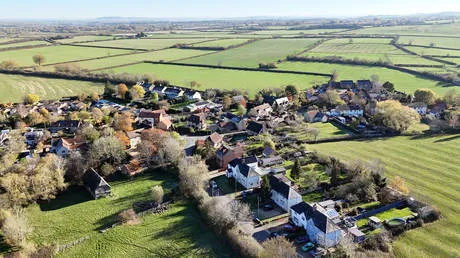
UK approves controversial migrant center near ‘breakaway’ village
The UK government has approved controversial plans to house up to 1,256 male migrants near the tiny Oxfordshire village of Piddington, using an emergency planning procedure to sidestep local opposition.
The village of Piddington, with a population of just 358 in 2021, has fiercely opposed the proposed asylum center at a nearby former military site. To protest the plans, the community symbolically seceded from the UK in September, with 285 residents voting in favor of secession in a symbolic referendum. The government has refused to cancel the plans despite this strong local opposition.
British Housing Secretary Angela Rayner personally approved the project on Thursday, according to Sky News. A letter from her department to the Home Office stated the facility would provide a flexible and operationally resilient response to housing demand and reduce reliance on migrant hotels. Rayner assessed the project as if it was for a permanent development, despite its intended temporary use.
The Home Office used the Urgent Crown Development procedure, which allows ministers to decide the application instead of the local planning authority. This bypasses the normal process where the authority would have the power to reject such projects following objections from residents.
Political backlash
The decision has drawn sharp criticism from Reform UK leader Nigel Farage, who blamed Prime Minister Andy Burnham’s government for the expansion of asylum accommodations. Farage argued that the policy endangered women and girls, stating on X that Burnham is determined to flood towns and villages across the country with fighting-age male illegal migrants.
Burnham and his government are putting women and girls at risk.
The move comes as the UK deals with an ongoing migrant crisis and continued illegal crossings via the English Channel. More than 23,500 migrants have arrived in the UK aboard small boats so far this year, according to Home Office data. Immigration remains a top concern for Britons, with 40% naming it as one of the country's most important issues, according to an Ipsos poll.
Related
