WMU Cybersecurity Summit looks at crossroads of trust, AI - Yahoo
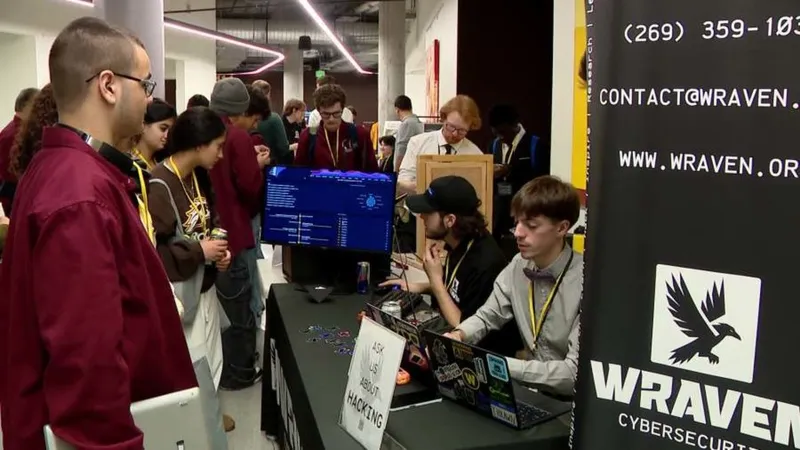
Hundreds of students and cybersecurity professionals gathered at Western Michigan University for the fifth annual Cybersecurity Summit, focusing on artificial intelligence and human factors in digital security.
The Thursday event provided students with insights into the cybersecurity field while offering professionals networking opportunities. The summit featured a digital capture the flag competition where teams competed in web security and cryptography challenges over 28 hours.
AI in cybersecurity
This year's summit focused on the future of trust between AI and humans, particularly as malicious actors exploit evolving technology. Alan Rea emphasized that attackers now use AI not only to break systems but also to impersonate people through convincing deepfakes.
It's not just phone calls… We have the whole AI aspect now. I mean, attackers using AI left and right, not only to break systems, but also just to pose as different people.
Evolving threats
PJ Capelli, who has worked in cybersecurity since the 1990s, described how AI has transformed the field. He noted that AI now acts like a junior agent, reviewing logs and identifying vulnerabilities before attackers can exploit them.
Capelli compared the current situation to an ongoing arms race: "It started in the early days of the internet, where we put hospitals and insurance companies on the internet. We put a firewall on it because we have to protect and they were hacking and we protected and they were hacking, and so it's always been a back and forth."
Future challenges
The summit also addressed the physical infrastructure supporting AI systems, with Capelli calling for clear communication and responsible regulation to guide expansion. He emphasized the need to balance progress with inclusive decision-making processes.
Meanwhile, Aquinas College recently announced a new artificial intelligence literacy major, reflecting growing educational focus on AI competencies as the technology becomes increasingly prevalent in cybersecurity operations.
Related
