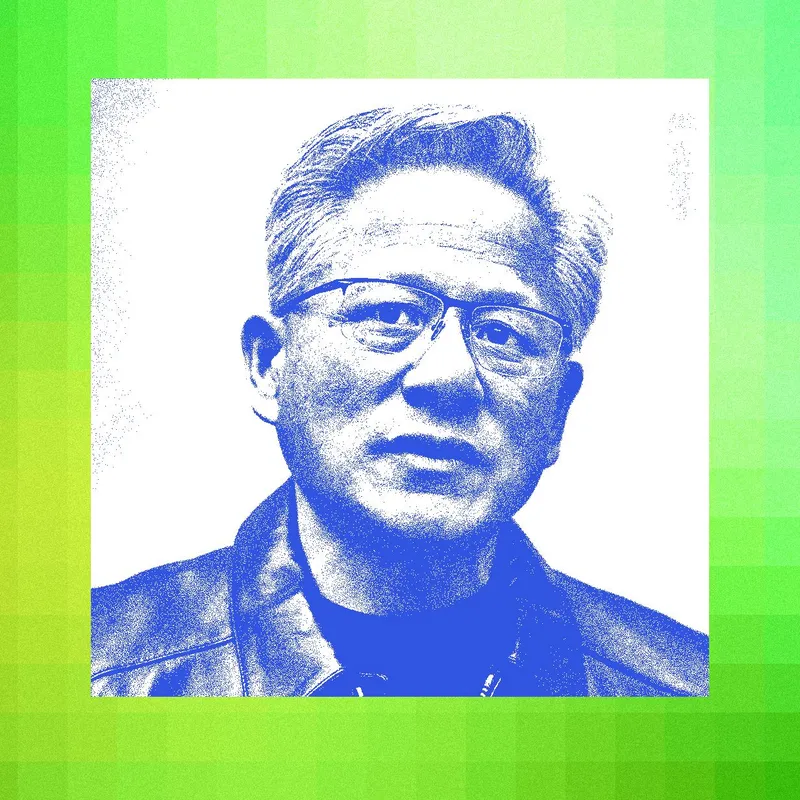
Jensen Huang’s $470 Billion Affair
Nvidia CEO Jensen Huang admitted to an affair with Alice Huang, a businesswoman US intelligence says was recruited by China's Ministry of State Security, causing the company to lose $470 billion in market value.
The revelation has sent shockwaves through the tech industry and financial markets. Huang's admission came in a message to employees, acknowledging the relationship with Alice Huang, who shares his last name but is not related. The timing couldn't be worse for Nvidia, which has seen its market value plummet by $470 billion over just two days as investors grapple with the potential fallout.
US intelligence reportedly identified Alice Huang as being recruited by China's Ministry of State Security to gather information on Jensen Huang. Nvidia's board has opened an investigation into the incident, though Huang remains in charge for now. The scandal has created both a PR nightmare and potential national security concerns.
Malaysian Loophole
The story dates back to 2023 when Megaspeed, the company Alice Huang leads, was created after splitting from a Chinese gaming company. This occurred just months after the US began restricting advanced chip exports to China. Malaysia, where Megaspeed operates, was quickly identified as a loophole in these export controls, as the country lacks a significant AI industry.
Despite awareness of this loophole in Silicon Valley and the Trump administration, little was done to address it. Megaspeed began purchasing billions of dollars worth of advanced Nvidia chips, raising questions about their ultimate destination. Alice Huang's background as a former TV journalist, not a computer scientist, made her leadership position in the company unusual.
Huang's China Position
Jensen Huang has been a prominent voice advocating for continued engagement with China's tech market. He has publicly argued that China should have access to advanced US chips, believing this creates dependence and prevents China from developing its own competitive tech stack. His position has been central to shaping Trump's approach to AI and China policy.
I did my best to inform the policymakers in the United States of the importance of engaging the Chinese market and making sure that we serve that market for as long as we can. I've been very clear that even though although we compete against China, they're not our enemies.
Huang argued that selling chips to China would allow US companies to double their business while maintaining technological leadership. He also warned that restricting access could push China toward developing open-source AI systems that might spread globally, reducing US influence. This scandal likely ends his ability to influence this policy debate.
Political Fallout
The scandal comes amid political shifts, with Democrats sweeping the midterms. Meanwhile, far-right groups including white nationalists, Christian nationalists, and the Proud Boys have declared the MAGA movement dead and are attempting to seize control of the Republican Party. These developments, combined with Huang's diminished influence, could significantly impact US-China relations in the tech sector.
China has denied that Alice Huang is a spy, calling the allegations baseless. The investigation into Huang's relationship and its potential national security implications continues, with the tech industry watching closely how this will reshape US chip export policies and the broader AI landscape.
Related
