Sri Lanka: Rights groups sound alarm over proposed anti-terror law
Sri Lankan rights groups are raising alarms over a proposed anti-terrorism bill that critics say could lead to human rights abuses and militarization of law enforcement.
For 46-year-old Ganesan from Batticaloa, any discussion of terrorism brings back memories of his two-year-old daughter, who was killed in the 2019 Easter Sunday attacks. She was one of 270 people who lost their lives in coordinated bombings targeting three churches and three luxury hotels across Sri Lanka, with over 500 others injured.
Despite this personal tragedy, Ganesan remains skeptical about the new counterterrorism bill pushed by President Anura Kumara Dissanayake's government. The administration has proposed the Protection of the State from Terrorism Act (PSTA) as a replacement for the existing Prevention of Terrorism Act (PTA), which has long been criticized for enabling arbitrary detention and torture.
Rights groups express concerns
Rights groups are now sharply criticizing the new bill, arguing that the changes won't bring any improvement. Activists warn that the draft features an overly broad definition of terrorism, provides inadequate judicial oversight, and grants extensive powers to law enforcement authorities with limited safeguards against official abuse.
Laws against terrorism are necessary to prevent terrorist attacks, but they should not target the innocent or suppress human rights.
Militarization fears
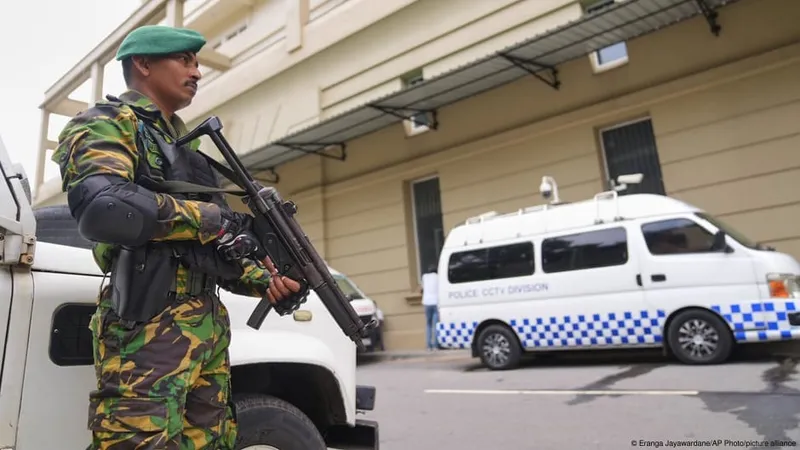
Human rights lawyer Visakesa Chandrasekaram warns that the bill's unclear definition of terrorism could result in fundamental rights violations. He also points out that the legislation would confer police powers on the military, which is neither trained to investigate criminal offenses nor equipped to protect the rights of people targeted in such investigations.
This, he warns, could lead to the "militarization" of the law enforcement process, with potentially serious consequences for civil liberties in the country.
Freedom of speech at risk
Lawyer Dhanushka Silva argues that the proposed law is essentially a replica of the existing PTA, despite the government's 2024 election pledge to repeal it. He believes the PSTA could be misused to suppress democratic freedoms and dissent.
This is a big blow to freedom of speech in a democratic society like ours.
Under Section 9 of the PSTA, even posts or statements made on social media could be subject to scrutiny due to the broad definition of terrorism-related offenses, with individuals who share such content facing up to 15 years of rigorous imprisonment.
Related
