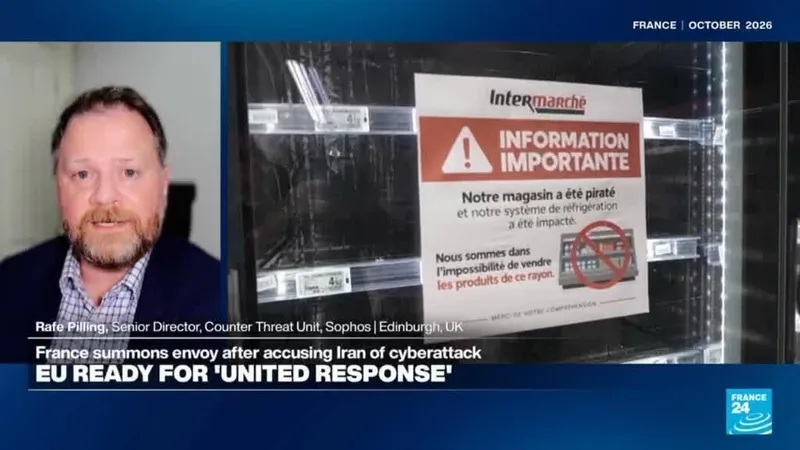
Asymmetric cyberwarfare: 'States increasingly use cyberattacks in support of their other objectives'
Cyberattacks targeting supermarket refrigeration systems in France reveal how minor intrusions can create disproportionate economic disruption and societal threats.
Cyberattacks targeting supermarket refrigeration systems in France offer a revealing illustration of how digital vulnerabilities can translate into tangible economic disruption and potentially broader threats to society. These intrusions demonstrate how minor cyber operations can disrupt critical infrastructure and food supplies.
Asymmetric warfare
As Rafe Pilling explains, "With a small amount of effort from the adversary side, they can create a large impact, in this case destroying food and producing empty shelves or empty refrigeration units in stores." This asymmetry lies at the heart of contemporary cyber conflict.
With a small amount of effort from the adversary side, they can create a large impact, in this case destroying food and producing empty shelves or empty refrigeration units in stores.
Geopolitical consequences
The French case exemplifies how modest technical interventions can produce disproportionate economic and operational consequences. States increasingly use cyberattacks in support of their other objectives, turning digital vulnerabilities into instruments of geopolitical confrontation.
Related
