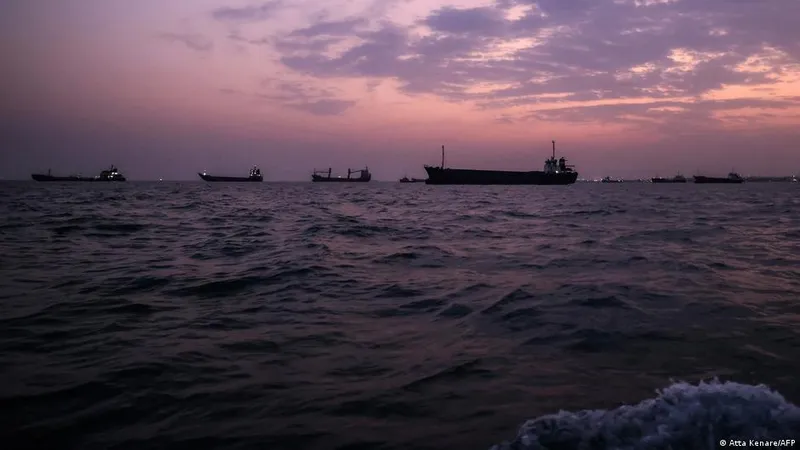
Strait of Hormuz still a source of leverage for Iran
Attacks on commercial ships in the Strait of Hormuz since the Iran war have endangered crews and forced shipping companies to choose between risking passage or delaying cargos at higher costs.
Merchant vessels continue using the strait despite the danger, but how long this can continue depends on Iran's ability to sustain attacks and the US capacity to protect shipping while bearing the associated costs. The strategic waterway remains a critical chokepoint for global energy supplies, with approximately 20% of world oil trade passing through it.
Iran's Strategic Constraints
Ali Mohammadi, an Iranian affairs expert based in France, believes Iran's geography and equipment allow it to continue attacking ships. However, he identifies the economic burden of war as Tehran's main constraint.
Iran's limitation in the Strait of Hormuz is economic rather than military, because continuing the war has a significant impact on its economy.
The sustainability of Iran's attacks remains unclear due to limited information on its weapons stocks and replenishment capabilities. Mohammadi notes that even a complete closure of the strait would not be sustainable for Iran due to potential political costs and disruption to ally access.
Mixed Recovery in Energy Exports
UK Maritime Trade Operations Center data shows 325 ship transits through Hormuz between October 29 and November 4, up 17% from the previous week but still 65% below pre-war levels. However, the situation varies by energy product.
Dalga Khatinoglu reports that Middle Eastern crude oil exports across all routes have largely recovered to pre-war levels and even exceeded them in some weeks.
Liquefied natural gas exports from Qatar and the UAE remain about 10% below pre-war levels despite some improvement, according to Khatinoglu.
Soaring Transportation Costs
Khatinoglu emphasizes that recovering energy exports haven't eliminated security-related costs. Average freight rates for large crude tankers from the Middle East to East Asia have risen dramatically—about 12-fold from $3.18 to $37.13 per barrel since the beginning of the year.
There is only one solution to the Strait of Hormuz issue and that's an end to the war, accompanied by a lasting agreement that brings lasting security.
These elevated costs affect Asian importers even when crude is available, contributing to higher global energy prices. Experts warn that US military presence alone cannot restore commercial confidence or reduce costs to pre-war levels.
Related
