Wearable sleep trackers are using your brainwaves to train AI models without explicit user consent
Wearable sleep trackers are harvesting tens of millions of hours of brainwave data to train artificial intelligence models without explicit user consent, an investigation found.
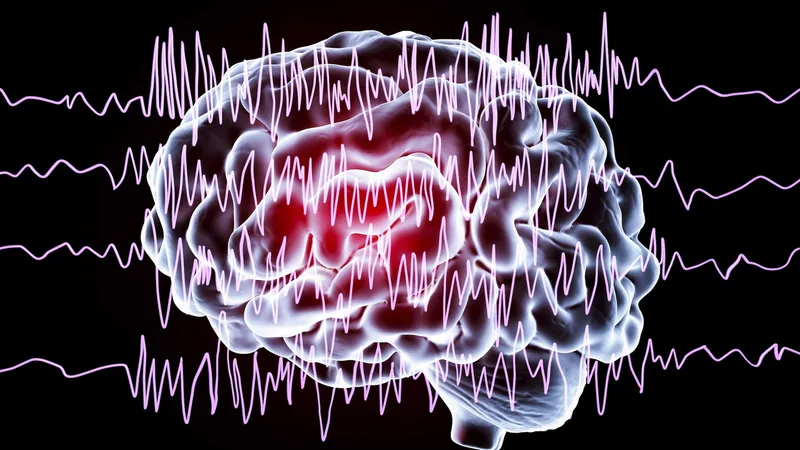
While wearable headbands promise to help users understand their sleeping patterns, some companies are turning the electrical signals from customers' brains into training material for artificial intelligence models. An investigation by Science alongside Pulitzer Center's AI Accountability Network revealed that these neurology companies have accumulated tens of millions of hours of electroencephalography (EEG) recordings to develop brain foundation models.
Data Harvesting
Interaxon, the Canadian firm behind the Muse sleep and meditation headband, monitors electrical brain activity during sleep to help customers track their rest patterns. However, the company has also trained an AI model using approximately 50,000 hours of EEG recording, claiming it removes identifying information before use.
We aim to use as much of that eligible corpus as possible.
Privacy Concerns
The practice raises significant privacy issues as companies initially failed to clearly disclose in their privacy policies that sleep data would be used for AI development. Consumers remain unaware how their neurological information is being utilized beyond personal sleep tracking.
Related
