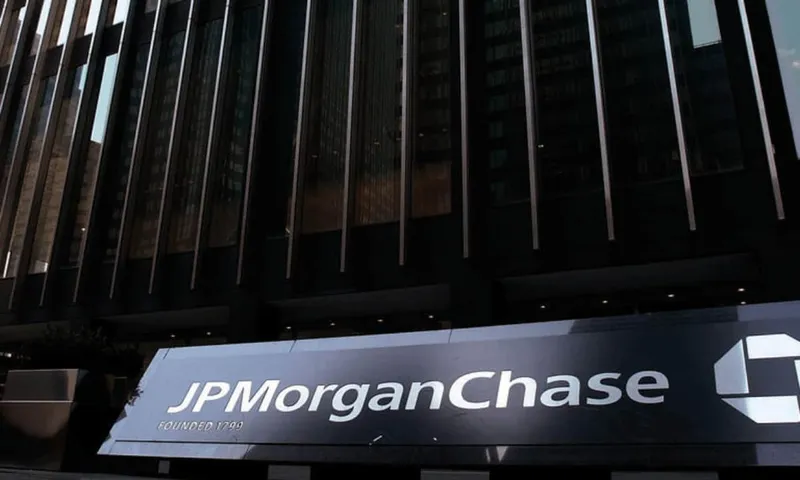
JPMorgan Stock Slides on Epstein Probe Fears: Bitcoin Has No CEO to Drag Into the Scandal
Shares of JPMorgan Chase fell over 4% after Senate Democrats announced plans to investigate the bank's relationship with Jeffrey Epstein.
Alongside the broader market, JPMorgan Chase shares experienced a significant decline at the end of the previous week. The drop followed reports that Senate Democrats are preparing a new investigation into the banking giant's historical relationship with convicted sex offender Jeffrey Epstein.
According to CNBC, Democratic staff on the Senate Finance Committee plan to examine how senior JPM executives handled Epstein as they prepare to take control of Congress early next year. Mary Erdoes, CEO of the bank's Asset & Wealth Management Division, is expected to be among the high-profile names in the investigations.
Market Reaction
The market reacted immediately to the news, with JPM shares falling by over 4% to under $340 on Thursday. This sell-off essentially erased the stock's post-midterm rally. The bank continues to deny any wrongdoing, though it previously agreed to pay $365 million in settlements related to Epstein.
The Irony
While there's no official confirmation that JPM has done anything wrong, the irony is worth noting. JPM's long-serving CEO, Jamie Dimon, has spent years criticizing Bitcoin, calling it a 'fraud,' 'worthless,' a 'pet rock,' and a 'decentralized Ponzi scheme.'
Despite Dimon's harsh criticism, JPMorgan has recently embraced crypto services. The bank now allows institutional clients to use BTC and ETH as collateral, supports crypto-related services, participated in BlackRock's spot Bitcoin ETF infrastructure, and projected that bitcoin could outperform US large-cap stocks and gold over the next 10-15 years.
Bitcoin, however, has no CEO, board of directors, or wealth-management division to be implicated in such scandals. The decentralized protocol cannot make questionable client decisions or hide internal correspondence, highlighting a fundamental difference between traditional institutions and cryptocurrency.
Related
