Nigeria Erects Strict Stablecoin Wall, Demanding $11M Local Subsidiaries for US Dollar Tokens
Nigeria has implemented strict regulations requiring foreign stablecoin issuers to establish locally incorporated subsidiaries with at least $11.1 million in paid-up capital to serve Nigerian retail users.
The regulations, effective from November 5, 2026, apply to overseas companies targeting Nigerian users even without physical presence in the country. The Central Bank of Nigeria (CBN) has divided stablecoins into two categories: Class 1 for naira-pegged tokens and Class 2 for foreign currency-backed tokens like USDT and USDC.
Foreign issuers must establish a Nigerian company, obtain a Class 2 issuer license, and secure CBN approval before making their tokens available to retail customers. The local subsidiary must maintain at least NGN15 billion (approximately $11.1 million) in paid-up capital and provide operational liquidity for redemptions in Nigeria.
Layered Regulatory Approach
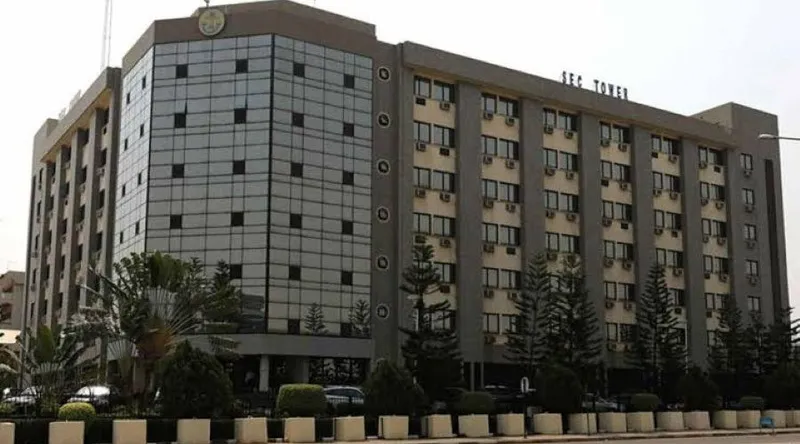
The new framework divides oversight responsibilities between the CBN and the Securities and Exchange Commission (SEC). The SEC remains responsible for trading and investment-related custody, while the CBN controls payment and money-transfer services.
An SEC-licensed crypto platform can list a stablecoin or hold it for trading clients, but separate CBN authorization is required for customer transfers, merchant payments, remittances, payment gateways, or stored-value products. These permissions are activity-specific, meaning a company authorized for custody cannot assume the same approval covers P2P services or cross-border payments.
The regulator is permitting stablecoins, but wants their issuance, conversion and payment functions to pass through locally supervised companies and approved financial channels.
Market Context
Nigeria represents one of Africa's largest crypto markets, with citizens and businesses using stablecoins for dollar-denominated value and cross-border payments when conventional transfers are expensive or difficult. Chainalysis estimated Nigeria recorded $38.1 billion in crypto activity between July 2025 and June 2026, ranking third globally in the company's grassroots adoption index.
Stablecoin activity through peer-to-peer channels increased more than sixfold between 2022 and 2026, from $2.3 billion to $14.6 billion, according to Chainalysis. This growing adoption explains the CBN's structured approach to regulation.
Transition Period
Existing operators have 180 days to apply for the new licenses but may continue only at their current scale during the transition. They must register within 30 days and begin supervisory reporting within 60 days, with expansion dependent on securing the required approvals.
Providers of non-issuance services must maintain at least NGN1 billion (approximately $741,000) in additional capital, and SEC-regulated platforms cannot use the same funds to satisfy both regulators' requirements. Conversions between naira and foreign-currency stablecoins may require authorized foreign-exchange channels and specific CBN approval.
Related


