AI in Retail Trading: Competitive Advantage or Broker Marketing Expense?
Artificial intelligence is transforming retail trading, with brokers adopting AI for customer acquisition, retention, and automated trading, while regulators warn it could shift competitive power.
London's trading industry is witnessing a significant transformation as artificial intelligence becomes increasingly integrated into retail trading platforms. AI assistants are helping brokers attract sophisticated traders, increase engagement, and reduce customer churn. Natural language screeners, portfolio analysis, earnings interpretation, and automated execution are making complex trading platforms more accessible to users.
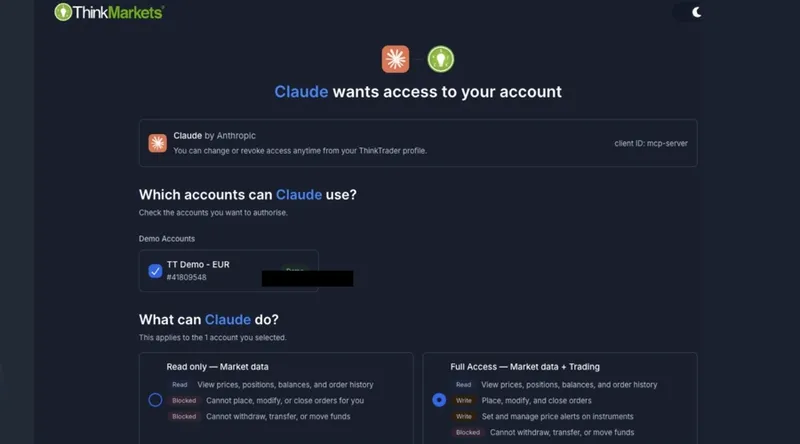
In October 2026, Interactive Brokers introduced autonomous trading that allows eligible clients to authorize connected AI to submit supported orders within defined parameters. This development represents a major step toward AI-mediated trading decisions. The technology has the potential to automate customer support, onboarding processes, research activities, and routine account queries.
Competitive Advantage Concerns
Despite these advancements, there are three major flaws in the argument that AI provides a sustainable competitive advantage. First, the technology is becoming widely available, meaning similar foundation models can be integrated by multiple brokers, potentially eliminating differentiation. Second, increased engagement through more app visits, queries, and trades doesn't necessarily translate to higher retention or better returns for clients.
Third, the economic benefits might accrue to third-party AI assistants rather than brokers themselves. If traders increasingly use external AI tools to compare platforms, research markets, and execute trades, brokers risk becoming replaceable execution and custody providers rather than maintaining customer relationships.
AI agents could shift competitive power towards firms controlling the customer interface and that AI-mediated product comparisons could weaken traditional brand loyalty.
Economic Impact on Brokers
The economic impact of AI varies significantly across different broker models. CFD/forex brokers may benefit from better risk analytics, multilingual support, and improved retention while potentially facing higher trading activity without sustainable customer value. ETF brokers must balance easier research and portfolio management against increasing commoditization as price competition intensifies.
Multi-asset brokers can leverage cross-asset discovery and integrated analytics but face additional complexity and costs. The most revealing evidence of AI's value comes from internal performance data rather than adoption surveys, though brokers must control for differences between AI users and other customers when measuring impact.
Value Capture in AI Trading
The emerging shift is from AI as a feature inside broker apps to AI agents that can connect to brokerage accounts, analyze portfolios, and submit orders. While brokers benefit from customer acquisition, retention, and lower service costs, they may be forced to compete more aggressively on price if AI tools become interchangeable.
AI model companies and agent developers can capture value through API usage and subscriptions, though inference costs and competition may constrain margins. Investors may gain better analysis capabilities and automation, but subscription charges and transaction costs can offset these benefits.
A Bank of England and FCA survey found that 86% of financial services firms used AI, but only 7% of reported AI systems were classified as highly material to their businesses. The central question remains whether AI shifts bargaining power away from brokers toward the companies mediating traders' decisions, and whether brokers can retain enough customer relationship value to justify their AI investments.
Related
