AI chip smugglers exploit trade control loophole to bring banned HBM from South Korea into China — expensive memory chips packaged with cheap, unsanctioned processors to become legal exports
Memory smugglers have found a way to bring banned high-bandwidth memory (HBM) chips from South Korea into China by pairing them with cheap, unsanctioned processors.
A memory smuggler has revealed how he circumvents export controls to bring banned high-bandwidth memory (HBM) chips from South Korea into China. The operation exploits a loophole in international trade regulations by pairing expensive HBM chips with cheap, low-performing processors that fall under U.S. and South Korea's export controls.
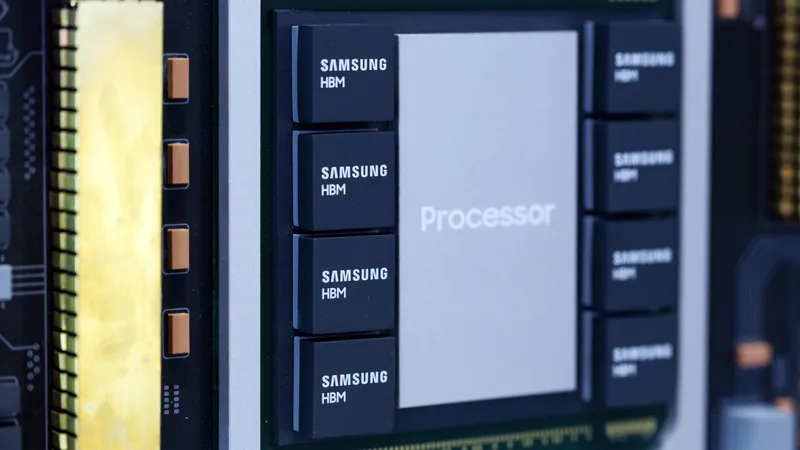
The smuggler owns a chip design firm that creates these unsanctioned processors. They are then paired with HBM chips from Samsung and SK hynix, which are individually banned for export to China. However, because export control rules only evaluate the performance of the server processor and not attached components, the HBM chips can slip through undetected.
This method effectively transforms the banned memory chips into legal exports by packaging them with compliant processors. The loophole highlights challenges in enforcing semiconductor trade controls in the rapidly evolving AI chip market.
Related
