Serbia after Vucic: The winners are losing patience
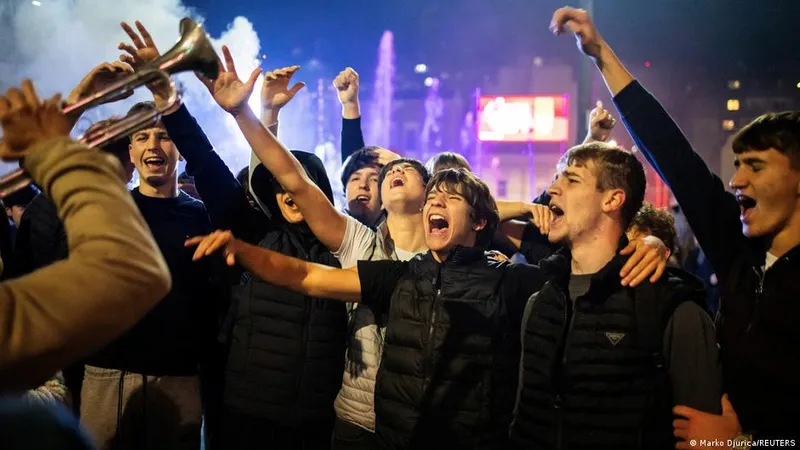
Serbia's Student List, which won the October 25 parliamentary elections with 53% of the vote, is growing impatient as former President Aleksandar Vucic's loyalists still control key government positions.
Since losing the October 25 election to the Student List, Vucic has complained of "revolutionary terror" by the winners, threatening to organize his supporters if state authorities fail to stop what he calls beatings and destruction. His complaints follow the resignation of the general director of the Serbian state broadcaster RTS and the dismissal of senior editors.
A small group of protesters recently invaded the Informer TV station, which has long been criticized for demonizing Vucic's critics. Journalists' associations are now calling for Informer's license to be revoked, while other pro-Vucic tabloids have toned down their rhetoric, no longer referring to the Student List as "terrorists" and "mercenaries."
Old accusations resurface
The Student List emerged from a student revolt and won a decisive victory with 53% of the vote, compared to Vucic's Serbian Progressive Party (SNS) which received just 39%. Since the election, citizens have peacefully removed Vucic's portraits from municipal buildings, and authorities have launched investigations into electoral fraud.
The public prosecutor's office for organized crime has begun investigations, and a special commission is examining the work of the Higher Public Prosecutor's Office in Belgrade, which critics say did Vucic's bidding. Accusations against the former regime include media control, awarding contracts only to loyal companies, and links to organized crime.
Power transition challenges
The accident is believed to have resulted from poor workmanship and corruption in the renovation contract.
Vucic and his officials promise to be a strong opposition and expect a quick comeback, while critics demand investigations and charges against the former leadership. "The SNS people are acting as if they had lost a local election somewhere in democratic Scandinavia, not as if they were part of a deeply corrupt and criminal regime," said Bursac.
As the transition continues, concerns remain about outgoing officials awarding contracts and creating financial obligations. "There's still time for many officials to award contracts and create financial obligations for the agencies they run without necessarily committing a criminal offense," warned Zlatko Minic from Transparency Serbia.
Foreign policy continuity
The Student List unites left- and right-wingers, pro-European and pro-Russian forces, focusing on domestic reforms while advancing EU accession talks. The party opposes sanctions on Russia and recognition of Kosovo, positions shared by most Serbians.
Our plan is to stabilize and develop the country, not to destabilize it with some abrupt change of course on foreign policy.
Toskovic acknowledged Serbia's energy dependence on Russia but argued that sanctions would destabilize the country. The new government promises better relations with neighbors and has already initiated dialogue with Kosovo and Croatia.
Related
