Nvidia RTX GPU vendor Palit denies its Galax factory has closed due to a shortage of chips — company says brand 'continues to operate as usual' - Yahoo Tech
Palit has officially denied rumors that it closed its Galax factory due to insufficient Nvidia chip supply, stating operations continue as usual.
Palit released an official statement denying recent speculation that it has closed its Galax factory — where it makes Nvidia RTX 50-series GPUs — because it cannot guarantee a sufficient supply of Nvidia chips. According to the company's press release, its operations continue as usual, it has not shut down any factories, and customers are able to purchase Galax GPUs through existing distributors and retailers for both domestic and international markets.
We are aware of recent reports and speculation regarding Galax's business operations. We would like to clarify that these claims are inaccurate. Galax continues to operate as usual. No manufacturing facilities have been shut down, and Galax products remain available through our sales channels in both domestic and international markets.
Rumors Origin
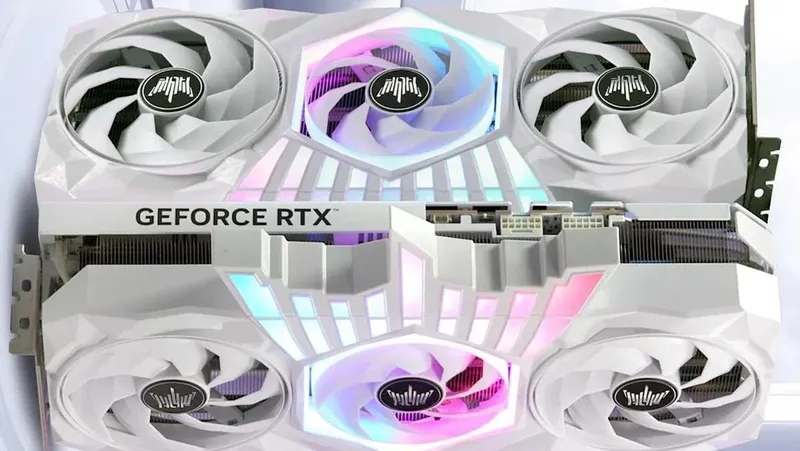
The initial news of a possible Galax closure came as a shock to many, especially as the brand had just launched its latest flagship model, the Galax GeForce RTX 5080 HOF Extreme. The rumors stemmed from an exclusive news report by a Spanish outlet claiming that Palit could no longer supply Nvidia GPU chips to Galax, meaning it could no longer build graphics cards at that facility.
The speculation wasn't entirely implausible, as reports have suggested Nvidia was ending RTX 5090 production in favor of more expensive AI data center and professional GPUs. This wasn't the first time this year that Galax was rumored to have ended production, as Palit Group restructured its operations earlier in 2026, bringing similar reports of closure for the GPU brand.
Market Impact
Thankfully, the speculation both then and today is false, and we will continue seeing Galax GPUs on retail shelves. However, the situation doesn't solve the skyrocketing GPU prices brought by the AI-driven memory chip shortage that continues to affect the entire graphics card market.
Related
