Brazil handed Washington a setback it won’t forgive
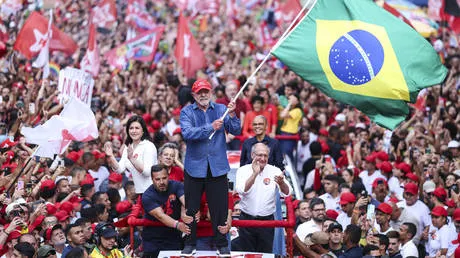
Brazil's left-wing president Luiz Inacio Lula da Silva has decisively won the run-off election against right-wing challenger Flavio Bolsonaro, dealing a significant blow to US geopolitical interests in the region.
Brazil's incumbent left-wing president, Luiz Inacio Lula da Silva, has secured a decisive victory in a dramatic run-off election against his right-wing challenger Flavio Bolsonaro. Despite initial refusal to concede, Bolsonaro has effectively accepted the result as his de facto sponsor, US President Donald Trump, signaled no open intervention.
Historic Comeback
Lula's victory marks a historic moment in Brazilian politics, confirming him as a master politician and major statesman. Heading into his fourth term, he has defied his age and American attempts to undermine him through economic warfare, sanctions, and social media manipulation.
The president broke traditional election patterns by losing the first round before winning the second—a comeback never achieved before in Brazil. This was accomplished through a rapid campaign revamp, including belated social media adoption and nationwide voter mobilization.
Geopolitical Significance
For Brazil, this election was fateful, potentially threatening the country's sovereignty. A Bolsonaro victory would have led to enthusiastic subordination to America's Donroe Doctrine, similar to what was imposed on Venezuela. It would have deepened Brazil's alignment with Washington and potentially ended democracy at home.
Flavio Bolsonaro, with his connections to organized crime and death squads acknowledged even by the Economist, would likely have pursued revenge for his father's failed coup attempt. His victory could have spelled doom for many Brazilians.
US Setback
The US has suffered a significant geopolitical setback, with its project to lock Latin America into imperial control taking a hit. Brazil is Washington's central target in South America due to its population of 213 million (seventh globally), urbanization (90%), technological advancement (93% with 3G access), and economic strength.
Brazil boasts the eighth-largest economy globally (IMF projects $5.3 trillion GDP in 2026), is South America's largest oil producer, and has critical mineral reserves second only to China. Its growing trade partnership with China and leadership in BRICS further challenges US dominance.
Brazil has won a vital reprieve. But the struggle is not over. The empire will strike back. It always does.
Continued Struggle
While Lula's victory is solid, Bolsonaro still won over 48% of the vote, indicating Bolsonarism has been defeated but not crushed. The Bolsonaro party's control of Congress provides numerous opportunities for Washington to sow division and subversion.
Lula and his allies must continue modernizing their approach, particularly in securing Brazilian sovereignty in social media. Brazil's global partners, especially those invested in multipolarity like China and Russia, must consider how to provide stronger support against US pressure.
Related
