Israel election: Israelis vote for 1st time since October 7 terror attack
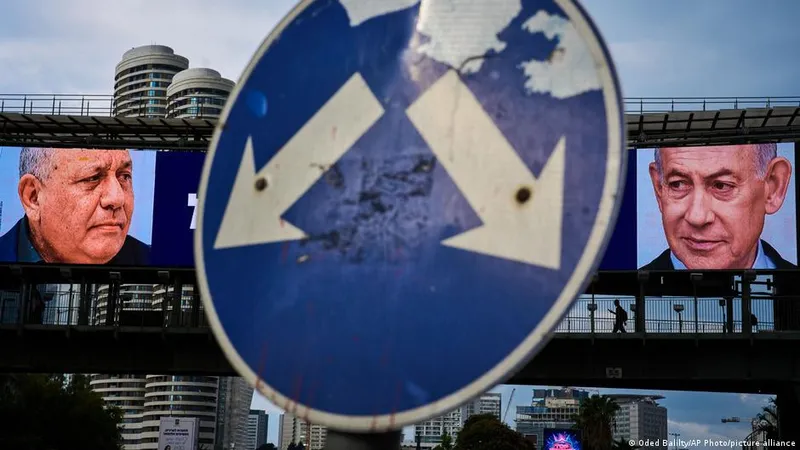
Israelis are casting ballots in the first general election since the deadly Hamas attack on October 7, 2023, with Prime Minister Benjamin Netanyahu facing a tight race against former military chief Gadi Eisenkot.
Polls opened at 7 a.m. local time on Tuesday, with 7.3 million Israeli citizens eligible to vote. The election marks the first since the October 7, 2023 Hamas-led terror attack and the subsequent two-year Gaza war. Netanyahu, Israel's longest-serving prime minister, is fighting to maintain his grip on power against Eisenkot, whose party has polled higher in the final days before the vote.
Most polling stations will close at 10 p.m. local time, with results expected to follow closely as the race appears neck and neck between the main contenders. The election comes amid deep divisions within Israeli society, particularly regarding Netanyahu's leadership and the formation of his previous government with ultranationalist politician Itamar Ben-Gvir.
Key Campaign Issues
The election is defined by several critical issues. Security concerns dominate, with voters focused on the management of the Israel-Hamas war, the future of Gaza, and threats from Iran and Hezbollah. Military service exemptions for ultra-Orthodox (Haredi) men remain a contentious topic, with intense debate over whether these exemptions should continue or be ended to share the national defense burden.
The justice system has been another major point of contention, with deep disagreements over proposed judicial reforms that would alter the balance of power between elected politicians and the Supreme Court. Economic concerns, including the cost of living, housing prices, inflation, and war-related spending, also weigh heavily on voters despite not being the primary campaign issues.
Political Landscape
Both Netanyahu and Eisenkot oppose the creation of an independent Palestinian state, suggesting the election is unlikely to produce major policy changes that could revive the long-stalled peace process. Arab parties are projected to play a kingmaker role in post-election coalition talks, potentially holding significant influence over the formation of the next government.
There's a lot at stake in this election: The fallout and questions of political accountability for the attacks of October 7, 2023; mandatory military service for ultra-Orthodox men and sharing the burden of national defense; along with Israel's standing in the international community.
What's Next
The election outcome will determine whether Netanyahu faces several court cases awaiting him if he loses office. The results will also shape Israel's domestic policies and international relations, particularly regarding the Gaza war and the country's standing in the global community. Coalition negotiations are expected to follow closely after the vote, with Arab parties potentially holding the balance of power.
Related
