Leaked 256-core Zen 6c EPYC CPU destroys Zen 5 in early single-threaded benchmarks hints at 24% IPC gain — early single-threaded benchmarks point to huge AMD Zen 6 improvements - Tom's Hardware
AMD's new 256-core Zen 6c EPYC 9996 server processor has demonstrated up to 24% better performance than Zen 5 in early single-threaded benchmarks, suggesting significant architectural improvements.
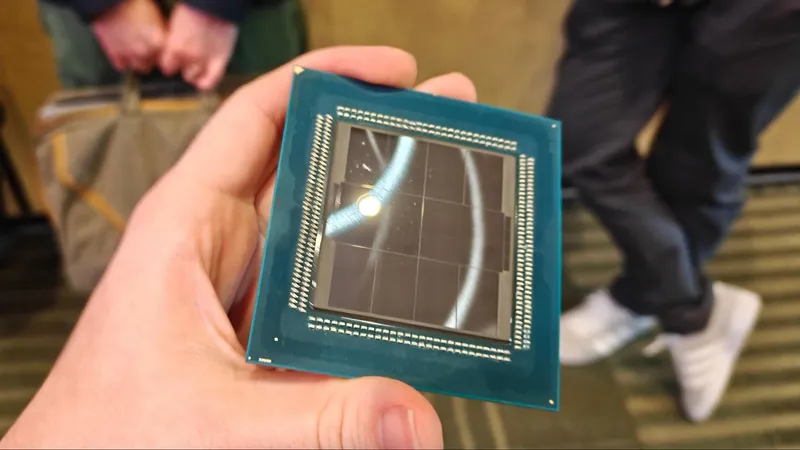
AMD's new EPYC 9006 family of server CPUs featuring Zen 6 architecture has been spotted in early benchmarks, showing impressive performance gains over the previous generation. The EPYC 9996, with its 256 "Zen 6c" cores across eight "Monarch" CCDs, has been tested using GeekBench 7, revealing significant improvements in single-threaded performance compared to Zen 5 processors.
The EPYC 9996 features an enormous 1GB of L3 cache and a 1024-bit memory bus capable of 1.64 TB/second bandwidth. However, the single-threaded benchmarks weren't significantly affected by memory bandwidth limitations, as even standard DDR5 memory proved sufficient for these tests.
Benchmark Results
When compared directly to a Ryzen 7 9700X at the same 4.1 GHz clock speed, the EPYC 9996 demonstrated substantial performance advantages. The server CPU scored 2847 in single-threaded GeekBench 7 tests, while the Ryzen 7 9700X scored 2483 in Linux and 2318 in Windows environments.
The most significant performance gap appeared in the HTML5 Browser test, where Zen 6 showed a 24% improvement. Other tests also showed notable gains: 19% in asset compression, 21% in video encoding, and 17% in photo editing. These results suggest real architectural differences between Zen 5 and Zen 6 that could translate to desktop improvements.
Zen 6 coming out so far ahead here is really interesting.
Zen 6c vs Desktop Zen 6
It's important to note that the EPYC 9996 uses Zen 6c cores, a specialized dense core design prioritizing area efficiency over high clock speeds. The 4.1 GHz clock rate is relatively modest compared to current high-performance processors. This means the desktop version of Zen 6 could potentially offer even better performance if rumors of higher clock speeds prove accurate.
Zen 5 showed only modest improvements over Zen 4, making it an underwhelming release for many desktop users. If Zen 6 delivers both significant IPC gains and higher clock speeds as rumored, it could represent a major performance leap similar to the transition from Core 2 to Core i7. The Zen 6 desktop processors are confirmed to be compatible with the AM5 socket and are expected to launch early next year.
Related
