Netanyahu Seeks Blockchain Backup as Israel Warns of Banking Sanctions - Bitcoin Foundation
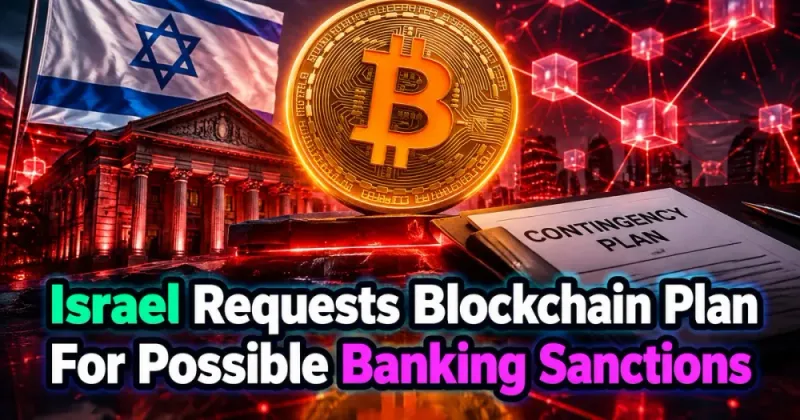
Israeli Prime Minister Benjamin Netanyahu has requested an Israel blockchain plan to prepare for possible banking sanctions, according to a Channel 10 interview reported by Decrypt on October 23.
The plan would prepare an alternative means of moving money if restrictions reach the country’s banks. Netanyahu said he had requested the plan to prepare for an “alternative economy,” with blockchain being one of the alternatives.
The request comes as Britain targets businesses supporting settlement construction. The U.K. banned imports from Israeli settlements in early September and announced sanctions on people and companies involved in building them. Eleven other countries, including France and Canada, said they intend to restrict trade in settlement goods.
More than 60 Israeli economists and former officials warned that restrictions aimed at West Bank settlements could spread to the wider economy and raise living costs. Restrictions on bank payments could make it harder for importers to pay overseas suppliers, adding pressure to consumer prices.
“There could be sanctions, including banking sanctions,” Netanyahu said, calling for preparations for an “alternative economy.”
The strongest obstacle to a blockchain workaround is enforcement. Public networks leave a traceable transaction history, and centralized token issuers can freeze their own tokens. Israel has itself used sanctions orders against crypto wallets it accused of financing Iran-linked activity.
On July 1, Defense Minister Israel Katz signed sanctions orders on 37 crypto wallets holding more than 24 million shekels that Israel says belong to Iran’s Revolutionary Guards and were meant to fund Hezbollah.
Tether can freeze any wallet holding its dollar-pegged USDT token. It froze $344 million in April working with U.S. authorities, and in July it froze $131 million in wallets tied to Iran’s central bank and armed forces after U.S. sanctions.
Russia’s experience also shows how quickly a crypto payment route can lose activity. Elliptic estimated that the ruble-pegged A7A5 token moved about $102 billion in its first year. Sanctions and a hack of its main exchange subsequently cut daily volume by 96% from its peak.
Netanyahu did not identify the drafting team, a currency or network, or a completion date. Those operational choices would determine how the proposed system handles payments and how exposed it remains to intermediaries enforcing sanctions.
The request fits his wider concern about future American support. “We must prepare for a rainy day,” he said, describing a need for greater independence. His expectation that U.S. military assistance will eventually end is his assessment, rather than an announced U.S. policy change.
The current military aid agreement expires in September 2028. For the blockchain proposal, the next meaningful development would be a concrete payment design and a decision on whether to implement it; neither the election nor the aid agreement’s expiry is a rollout deadline.
Israelis vote on October 27, 2026. Netanyahu’s blockchain comments reached publication four days before the vote.
Related

