Brazil election meddling: The stakes could not be higher
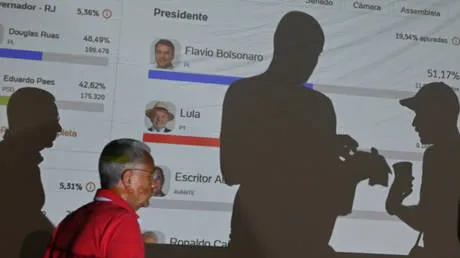
Meta's Oversight Board has denied but effectively admitted that Facebook, WhatsApp, and Instagram platforms favored challenger Flavio Bolsonaro over incumbent Luiz Inacio Lula da Silva in Brazil's upcoming presidential election.
The Oversight Board of Meta, parent company of Facebook, WhatsApp, and Instagram, has been forced to address allegations that its platforms have attempted to influence Brazil's presidential elections. While the company denies political interference, claiming only 'technical issues' and 'mistakes,' the admission comes amid Brazilian investigative reporting that exposed the apparent favoritism toward challenger Flavio Bolsonaro, the US-supported candidate, at the expense of incumbent Luiz Inacio Lula da Silva.
This intervention has intensified polarization in an already fiercely divided country, with both candidates now attempting to have each other disqualified from the election just days before the decisive final round. The timing could not be more critical as the race remains extremely close, with democracy, Brazil's BRICS membership, and Washington's influence all hanging in the balance.
Historical context
American interference in Brazilian politics is not new. The US has a long history of intervening in Latin American domestic affairs, including orchestrating a full military coup in 1964 that removed President Joao Goulart. His 'crime' was taking Brazilian sovereignty seriously through agrarian reform, nationalization of key companies, and diplomatic engagement with China, Cuba, and the Soviet Union.
The post-coup dictatorship lasted until 1985, followed by a 2010s subversion campaign targeting Brazilian presidents, including Lula, who was imprisoned before his convictions were annulled in 2021. These interventions historically involved the US Agency for International Development (USAID), which fronted for the CIA and American commercial interests.
Stakes in the election
The current election represents perhaps the highest stakes since the 1964 coup. Flavio Bolsonaro, favored by the US and Donald Trump, represents his father's political legacy, with Jair Bolsonaro currently imprisoned for attempting to instigate a coup. A victory for Flavio could lead to political retribution and a return to authoritarianism.
The candidates represent fundamentally different visions for Brazil's role in the world. Lula, a founding member of BRICS, advocates for a multipolar world order, challenges US dollar dominance, and has criticized Israel's actions in Gaza. Flavio, conversely, aligns with US interests, embraces the 'Donroe Doctrine,' and maintains strong ties to Israel, with Brazilian rallies often displaying Brazilian, US, and Israeli flags.
Brazil is not only an important G20 member, but Lula belongs to the founding generation of BRICS and is a proponent of the rising multipolar world order in general.
China factor
China represents a critical dimension of this election. Beijing has been Brazil's main economic partner since 2009, with trade reaching $171 billion last year. Brazil's exports to China exceed its combined exports to the US and EU, and it leads Chinese investment abroad. Lula's engagement with Beijing represents what Washington views as unacceptable rebellion, similar to the 1964 coup's trigger when Goulart established diplomatic relations with China.
The outcome will determine whether Brazil maintains its sovereignty and resistance to US influence or becomes further integrated into Washington's system of regional allies. As the election approaches, the battle extends beyond domestic politics to reshape the geopolitical landscape of South America and the broader international order.
Related
