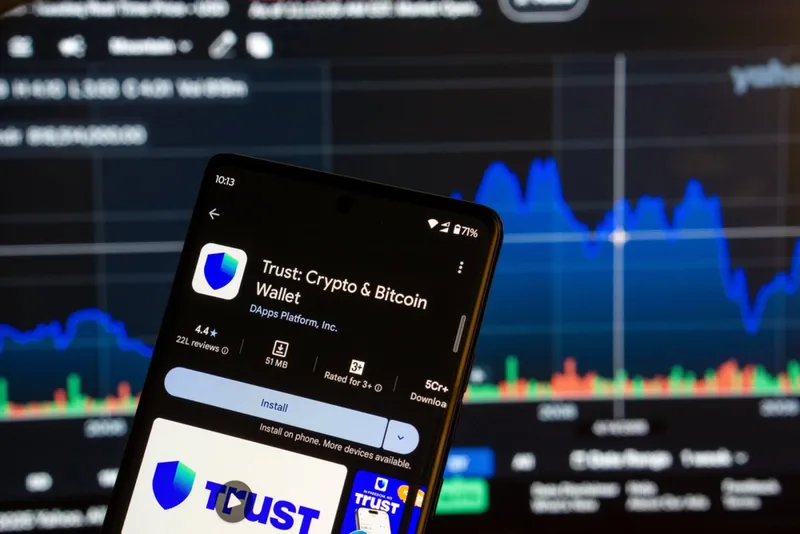
Trust Wallet Shuts Down Speculation Over PHP Exploit Fallout
Trust Wallet has officially denied that the recent PHP security crisis affects its infrastructure, after the largest Web3 players launched a coordinated campaign to inform investors.
On October 21, the U.S. National Security Agency (NSA Cyber) issued an emergency warning for organizations using PHP, highlighting two critical flaws, CVE-2026-109618 and CVE-2026-109619, that allow hackers to execute arbitrary code on a server remotely and without authentication.
The vulnerability affects the core of the language, putting millions of web resources at risk, including those running on WordPress platforms and systems using PHP-FPM.
Developers quickly released security patches for PHP versions 8.5.12, 8.4.27, 8.3.36, and 8.2.35, but the panic also reached the cryptocurrency sector, where users are sensitive to any infrastructure risks.
Trust Wallet denies PHP use
To stop the spread of rumors and eliminate speculation around the PHP exploit fallout, Trust Wallet published an official statement on X, directly stating that its applications and key infrastructure are not related to PHP.
The technology stack of decentralized wallets is isolated from the PHP architecture, so the company's move was preventive.
Similar statements about the absence of PHP in their ecosystems were issued by representatives of BNB Chain and the decentralized exchange PancakeSwap.
The situation was noted by Binance founder Changpeng Zhao, who published a series of posts emphasizing that most projects should at least publish such confirmations.
Risks and next steps
Changpeng Zhao warned that silence during global IT outages only gives rise to false rumors and sows panic among users.
No crypto wallet is 100% safe. No software is bug free. No tech is 100% secure. There are risks in everything you do. There are risks if you don't do anything. There will be issues, setbacks and problems to solve. Stay up-to-date. Manage risks. Solve problems.
At the moment, the only threat to cryptocurrency holders remains the possible activation of phishers, who may use the news backdrop around the vulnerability to send out malicious 'security updates'.
Related
