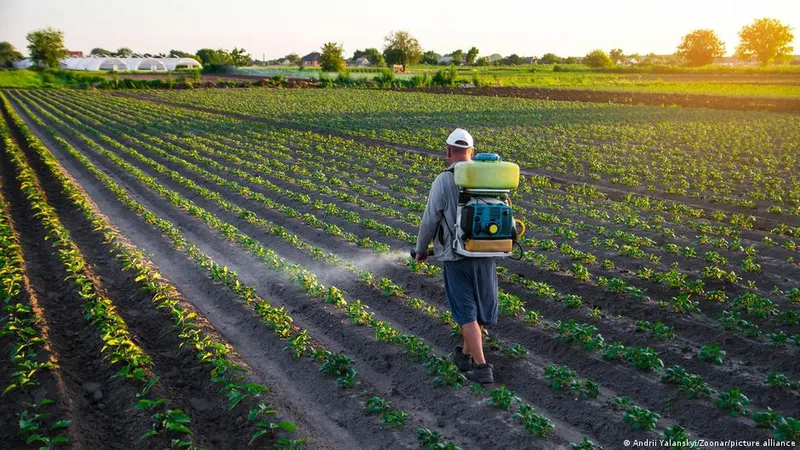
EU moves to loosen rules on pesticide use, as experts sound the alarm
The European Commission has proposed sweeping changes to pesticide regulations, moving toward indefinite approvals for active substances, sparking alarm from health experts.
As part of its drive to "streamline and simplify" EU laws, the European Commission has proposed changes to agriculture and food safety legislation that would ease rules controlling pesticides and herbicides. Under current EU rules dating back to 2011, primary pesticide components are only approved for limited periods of maximum 15 years.
The proposed revamp would make indefinite greenlighting the default, including for the controversial glyphosate, which has been linked to cancer and kills almost all plant life. Safety reviews would only occur in exceptional cases, with regulatory authorities rather than industry bearing responsibility.
The commission has stated its goal is to cut costs, simplify work for authorities, and help farmers stay competitive. However, scientists and doctors warn that concerns over human health and environmental impact are being brushed aside.
Farmer Complaints Drive Changes
The European Commission says it's responding to complaints from farmers and the agriculture industry about complicated administrative procedures and lengthy approval processes. A May statement from 19 food associations, including CropLife Europe, claimed farmers were "left without any effective solutions to protect their crops against insects, weeds and diseases."
The commission's press service told DW that the existing system of periodic renewal assessment has become unsustainable due to "chronic delays" and "bottlenecks" in approving new, more sustainable products.
The existing system of periodic renewal assessment of every active substance has become unsustainable.
Health Experts Sound Alarm
Ecologists and medical experts have forcefully opposed the proposed changes, saying potential implications for human health and the environment are being downplayed. In September, more than 500 EU experts signed an open letter calling for a suspension of consideration of the new regulations and an independent investigation.
UN rights experts backed this call in early October, urging a full review into whether the changes violate EU obligations under international human rights law, especially regarding agricultural workers and children.
Pesticides can persist in the environment, contaminating water and degrading soils while driving biodiversity loss. The European Environment Agency has linked exposure to chemical pesticides to various cancers, chronic respiratory disease, neurological disorders, and fertility problems.
A 2014-2021 survey found that 84% of urine samples from children and adults in five European countries contained residue from two or more pesticides.
Related
